Care Uplift Microneedle Patches Review: Legit Weight Loss Patch or Another Viral Wellness Scam?

Care Uplift patches are being pushed hard right now across Facebook, TikTok, and random “health article” style ads. The marketing is almost impossible to miss once the algorithm catches you. Rapid weight loss. Appetite control. Better metabolism. “Visible changes in 7 days.” All from a tiny microneedle patch you stick on your skin.
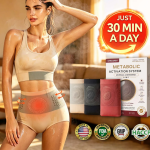
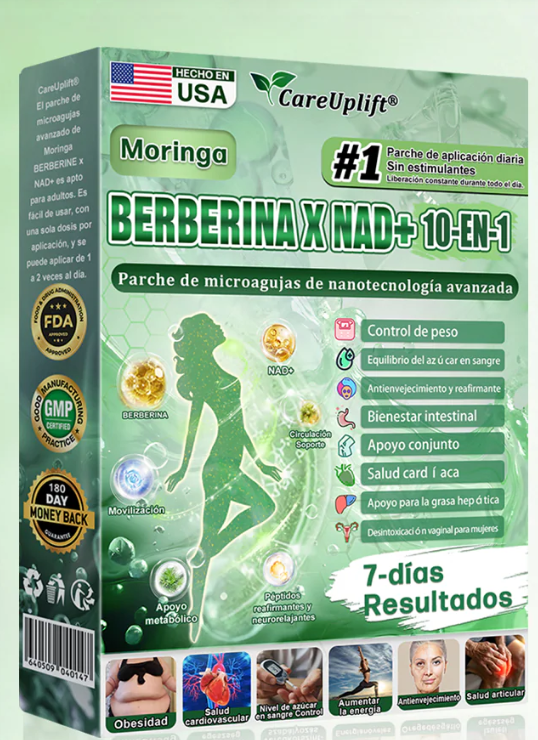
At first glance, it’s packaged to look surprisingly convincing. You’ll see medical-style graphics, doctor references, “FDA certified” badges, and a lot of language about nano technology, metabolism support, and clinically verified ingredients.
But once I started digging deeper into the product, the whole thing started feeling less like a breakthrough wellness product and more like another aggressive patch funnel built around hype-heavy marketing and credibility tricks.
Quick Takeaway
- Care Uplift uses trendy ingredients like berberine, moringa, and NAD+ in its marketing
- The “nano microneedle” angle is doing most of the persuasive work
- The product makes very broad health and weight-loss claims with little transparent evidence
- Fake doctor-style endorsements and authority badges keep showing up throughout the sales pages
- A lot of the marketing follows patterns commonly seen in viral wellness-product scams
Table of Contents
- Quick Takeaway
- What exactly are Care Uplift patches?
- The marketing gets very aggressive very quickly
- The fake authority signals are everywhere
- The “microneedle” wording makes it sound more advanced than it probably is
- The “7-day results” angle feels very familiar
- A lot of the reviews don’t feel trustworthy either
- The GLP-1 trend is clearly influencing these patches
- The biggest issue is still the evidence gap
- A Pattern I Keep Seeing
- Conclusion
- FAQ
What exactly are Care Uplift patches?
Care Uplift patches are marketed as “metabolic nano microneedle patches” designed to support:
- weight loss
- appetite control
- blood sugar balance
- metabolism
- energy
- detox support
The patches supposedly work by delivering ingredients through tiny microneedles placed against the skin over several hours.
The ingredient marketing usually revolves around names people already recognize from wellness trends:
- berberine
- moringa
- NAD+
- green tea extract
- metabolism-support blends
And honestly, that’s one of the first things that stood out to me. The product feels built around stacking together every trendy metabolic buzzword possible into one patch.
The marketing gets very aggressive very quickly
This is where things started feeling off. The ads push extremely broad promises:
- visible weight loss in days
- reduced cravings
- metabolism “reset”
- blood sugar support
- anti-aging
- gut support
- fat burning
It’s not being marketed like a focused supplement. It’s being sold more like a patch that somehow fixes almost everything at once. That’s usually a bad sign. Legitimate wellness products tend to stay much narrower with claims because once a product starts promising weight loss, detox, metabolism repair, anti-aging, and blood sugar support all at the same time, the marketing starts sounding more engineered for clicks than science.
The fake authority signals are everywhere
This was probably the biggest red flag during research. The sales pages lean heavily on:
- doctor-style endorsements
- medical imagery
- “clinically verified” language
- FDA-style badges
- GMP and ISO certifications
- fake-looking review counters
One name that keeps appearing is “Dr. Lauren Mitchell,” presented as some kind of obesity or metabolic wellness expert. But I couldn’t find credible evidence this person is actually connected to legitimate published medical research tied to the product.
The whole setup feels designed to create instant trust before people stop and question the claims. And honestly, this is becoming extremely common with viral patch products now.
The “microneedle” wording makes it sound more advanced than it probably is
This is another thing carrying a huge amount of the marketing. Microneedles are real technology. Transdermal patches are real too. But the problem is companies use those real concepts to make consumers assume the finished product itself must be scientifically proven.
That leap is where things get shaky. I could not find transparent published evidence showing Care Uplift patches deliver meaningful metabolic effects through the skin in the dramatic way the ads suggest. And this part matters because the entire product depends on people believing:
“advanced delivery system = proven results.”
Those are not the same thing.
The “7-day results” angle feels very familiar
A lot of the ads push the idea that users will see visible changes within days. Honestly, that alone should make people slow down a little.
Even legitimate medically supervised weight-loss approaches usually do not work the way these ads imply. Rapid body transformation claims are one of the oldest tactics in the supplement space because they trigger emotional buying decisions fast.
The urgency tactics layered on top make it even more obvious:
- countdown timers
- “only a few left”
- huge discounts
- buy-more-save-more bundles
- recent purchase popups
It creates pressure before skepticism has time to kick in.
A lot of the reviews don’t feel trustworthy either
Some testimonials read almost too perfect. Dramatic before-and-after stories, huge life-changing results, suspiciously polished language, and profile photos that feel more like stock images than real customers.
Reddit discussions around weight-loss patches in general are much more skeptical. A lot of users describe these products as:
- gimmicky
- placebo-driven
- overmarketed
- or outright scams
Several users also mentioned skin irritation and refund problems after buying similar GLP-1-style patches online. That doesn’t automatically prove every review is fake, but the contrast between the sales-page testimonials and real-world discussions is pretty noticeable.
The GLP-1 trend is clearly influencing these patches
Even when Care Uplift doesn’t directly say “Ozempic,” the marketing definitely borrows from the GLP-1 craze. You’ll see:
- appetite suppression language
- “food noise” style messaging
- metabolism reset claims
- blood sugar support
- effortless weight-loss framing
A lot of these patch companies realized people are desperately searching for cheaper or easier alternatives to GLP-1 medications, so they started blending supplement ingredients with medical-style language to ride the trend. That’s a huge part of why these products exploded online.
The biggest issue is still the evidence gap
This is what everything keeps coming back to. The ingredients themselves are not necessarily fake. Berberine, moringa, green tea extract, and similar compounds all exist in legitimate supplements.
The problem is the jump from:
“these ingredients have some research”
to:
“this patch can rapidly transform metabolism and body fat through the skin.”
That leap is massive. And right now, there’s very little transparent evidence showing these patches actually deliver the kind of dramatic results being advertised.
A Pattern I Keep Seeing
The overall structure of this marketing reminded me a lot of what I found in the Purisaki Berberine Patches review, the Lonqi Microneedle Patch investigation, and the InsLemon Microneedle Patch review.
Different branding. Same general formula:
- trendy ingredients
- “nano” terminology
- fake authority signals
- aggressive social-media ads
- unrealistic transformation messaging
Conclusion
After researching Care Uplift, the biggest thing that stood out to me was how heavily the product depends on marketing psychology.
The patches are wrapped in:
- medical language
- advanced-sounding technology
- doctor-style credibility
- dramatic timelines
- emotional weight-loss promises
But once you strip all that away, the actual evidence behind the claims starts looking much thinner. At best, this feels like another trendy wellness patch trying to ride the GLP-1 and metabolism-support wave. At worst, it follows a lot of the same patterns already seen in heavily criticized online supplement funnels.
FAQ
Are Care Uplift patches legit?
The product appears to exist physically, but many of the marketing claims surrounding it look exaggerated and poorly supported by transparent evidence.
Do Care Uplift patches actually work?
There is very little credible evidence showing these patches produce the dramatic weight-loss or metabolic effects shown in ads.
Are the doctor endorsements real?
Some of the doctor-style endorsements and authority claims connected to Care Uplift appear difficult to verify independently.
Can microneedle patches really deliver ingredients through the skin?
Microneedle technology is real, but that does not automatically mean every commercial wellness patch delivers meaningful or clinically proven metabolic results.