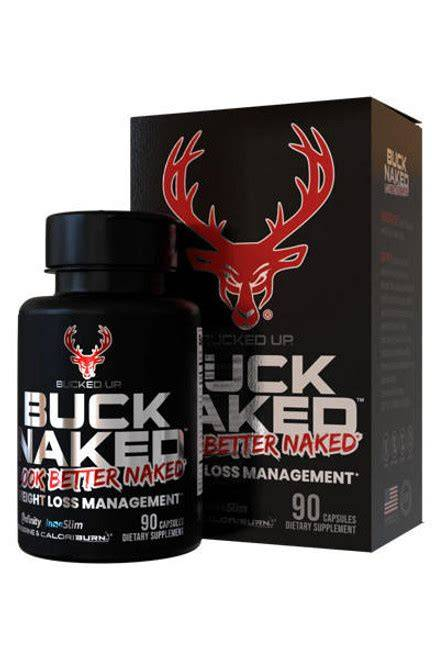

Buck Naked is one of those supplements that’s been showing up everywhere lately, especially on fitness pages pushing transformation-style content. The branding is aggressive right from the start. Better body. Better confidence. Better results in the mirror.
At first glance, it honestly looks more convincing than a lot of the usual fat-burner products online. The company talks about cleaner energy, smarter ingredients, appetite control, and metabolism support instead of relying only on the old “extreme fat burner” angle.
But after looking deeper into the ingredients, reviews, and marketing, the product started feeling a lot more familiar than the ads make it seem.
Quick Takeaway
- Buck Naked uses real ingredients commonly found in thermogenic supplements
- The paraxanthine angle is one of the biggest marketing hooks
- Most realistic benefits probably come from energy, focus, and appetite support
- There are no published clinical studies on the finished formula itself
- The marketing pushes expectations much further than the evidence does
Table of Contents
- Quick Takeaway
- So what exactly is Buck Naked?
- The marketing makes this feel bigger than it probably is
- The paraxanthine angle is probably the smartest part
- The science starts getting a little blurry
- A lot of the positive reviews sound tied to lifestyle changes too
- Some complaints kept showing up too
- Buck Naked feels more polished than revolutionary
- A Pattern I Keep Seeing
- Conclusion
- FAQ
So what exactly is Buck Naked?
Buck Naked is a thermogenic fat burner from Bucked Up. It’s marketed to support fat loss, energy, metabolism, workout performance, and appetite control.
The formula includes ingredients like paraxanthine, berberine, acetyl L-carnitine, cayenne pepper extract, InnoSlim, and CaloriBurn GP.
One thing the company pushes heavily is that this is supposed to feel different from traditional stimulant-heavy fat burners. Instead of regular caffeine, Buck Naked uses paraxanthine, which gets marketed as smoother and cleaner with less crashing and jitteriness.
Some users do seem to prefer that part of the formula. But once you get past the branding, most of the ingredients still fall into pretty familiar fat-burner territory.
The marketing makes this feel bigger than it probably is
A lot of the advertising around Buck Naked relies more on transformation psychology than actual evidence.
You’ll notice the usual patterns pretty quickly:
- lean physiques
- dramatic before-and-after expectations
- confidence-focused messaging
- “unlock your best body” type language
The product itself may help with things like workout energy or appetite control, but the marketing creates the impression that visible body transformation is right around the corner once you start taking it.
That’s a much bigger claim than the actual evidence supports.
The paraxanthine angle is probably the smartest part
This is one area where Buck Naked does separate itself a little from generic fat burners. The company positions paraxanthine as a more advanced alternative to caffeine. The idea is smoother stimulation without the harsh crash that comes with a lot of thermogenic products.
And honestly, this is probably where many users notice the biggest difference.
More energy usually means:
- better workouts
- improved focus
- less fatigue
- more motivation to stay active
But there’s also a tendency for people to mistake stimulant effects for direct fat-burning effects. Feeling more energized can absolutely help someone stay consistent, but that does not necessarily mean the supplement itself is dramatically accelerating fat loss.
The science starts getting a little blurry
This was one of the biggest things I noticed while researching the product.
The marketing uses phrases like:
- clinically studied ingredients
- advanced thermogenesis
- smart fat-burning support
And technically, some of the individual ingredients do have research behind them. But that’s not the same thing as proving the complete Buck Naked formula itself produces major fat-loss results.
I couldn’t find published clinical trials specifically testing the finished product. Most of the scientific credibility comes from ingredient-level studies rather than direct evidence on the supplement consumers are actually buying. That’s extremely common in the supplement industry, but it’s still something worth paying attention to.
A lot of the positive reviews sound tied to lifestyle changes too
This happens with a lot of fat burners. People start taking a new supplement and suddenly become more disciplined overall. They train harder, snack less, drink more water, stick to calorie goals, and pay more attention to routines. Then the supplement gets credited for all the progress.
That doesn’t mean Buck Naked does nothing. Some users probably do notice:
- appetite suppression
- increased workout intensity
- more sweating during exercise
- better focus
But separating the supplement effects from the lifestyle changes around it gets difficult pretty quickly.
Some complaints kept showing up too
The feedback online is mixed. Some users say they liked the cleaner energy compared to regular fat burners. Others said they noticed very little difference beyond stimulation.
I also came across complaints involving:
- headaches
- stomach discomfort
- overheating
- jitters
- minimal fat-loss results
That’s not unusual for thermogenic supplements, especially ones tied closely to stimulatory ingredients.
Buck Naked feels more polished than revolutionary
That was honestly my biggest takeaway after researching it. Buck Naked is not the sketchiest fat burner online. The formula is more thought-out than a lot of cheap “miracle shred” products floating around social media.
But once you strip away the branding, it still looks much closer to a modernized thermogenic supplement than some breakthrough fat-loss system. The marketing makes it feel futuristic and highly advanced. The actual product feels more incremental than revolutionary.
A Pattern I Keep Seeing
The overall marketing style reminded me a lot of what I found in the Purisaki Berberine Patches review. Different niche, same formula:
real ingredients, strong transformation messaging, and expectations that grow much bigger once the ads take over.
I also noticed similar patterns in the BoostMind supplement review and InsLemon Microneedle Patch investigation, especially around scientific buzzwords and aggressive wellness marketing.
Conclusion
Buck Naked feels like a smarter-branded version of the same fat-burner formula the supplement industry has been selling for years. The paraxanthine angle gives it a slightly different identity, and some users probably will enjoy the smoother energy. But the dramatic body-transformation messaging in the ads feels much bigger than what the supplement itself is realistically likely to deliver.
At best, it looks more like a support tool for consistency and workouts than a shortcut to major fat loss.
FAQ
Does Buck Naked actually work?
It may help with energy, focus, appetite control, and workout performance. But there’s no strong evidence showing it creates dramatic fat loss by itself.
Is Buck Naked a scam?
It doesn’t appear to be a fake product, but the marketing definitely pushes expectations harder than the evidence realistically supports.
Is paraxanthine better than caffeine?
Some users prefer it because it may feel smoother and less jittery than traditional caffeine-heavy fat burners.
Can Buck Naked help you lose weight without exercise?
Probably not realistically. Most noticeable results still seem heavily tied to diet, calorie control, and activity level.