
Apex Peptides is one of those names that comes up a lot when people start digging into research peptides online. It sits in that awkward middle space where things look organized and professional on the surface, but the category itself is still loosely regulated and heavily dependent on trust, testing transparency, and vendor reputation.
So the real question isn’t whether Apex exists. It does. The real question is how consistent, transparent, and reliable it actually is once you look past the branding.
In this review, we’ll break down what Apex Peptides is, how it operates in the peptide market, what stands out in terms of quality and transparency, and what buyers usually miss when evaluating vendors like this.
Quick Takeaways
- Positioned as a research peptide supplier
- Operates in a grey-market, research-use-only category
- Offers third-party testing and COAs on many products
- Reputation appears generally positive in community discussions, but not uniform
- Quality and trust depend heavily on batch verification
- Not a pharmaceutical-grade or clinically regulated supplier
Table of Contents
- Quick Takeaways
- What Is Apex Peptides?
- What Stands Out About The Marketing?
- Apex Peptides Ingredients Breakdown
- Science Behind The Product
- How Apex Peptides Is Supposed To Work
- Where Expectations Usually Go Wrong
- A Pattern I Keep Seeing
- Is Apex Peptides Legit or a Scam?
- What To Do If You Already Ordered
- How To Avoid Similar Peptide Vendors
- Frequently Asked Questions
What Is Apex Peptides?
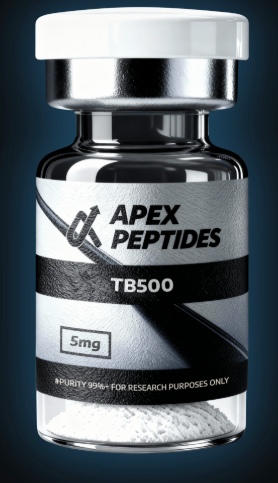
Apex Peptides is a research chemical vendor that sells peptides labeled strictly for laboratory or research use.
Products in this category are typically discussed in contexts like:
- Biohacking
- Fitness and recovery research
- Longevity experimentation
- Metabolic and peptide science exploration
Everything is positioned as “not for human consumption,” which is standard wording in this industry. That labeling is also what keeps the entire category outside traditional pharmaceutical regulation.
What Stands Out About The Marketing?
The first thing you notice is how “clean” everything looks. Professional website layout. Technical product names. Scientific language. Batch references. COA mentions. It creates a sense of structure and legitimacy. But that’s also part of the broader peptide market pattern.
Most vendors in this space now understand that trust is the main currency, so they build their entire presentation around verification language like:
- third-party testing
- purity reports
- lab validation
- batch traceability
The challenge is that the real confidence still depends on whether those claims can be independently verified.
Apex Peptides Ingredients Breakdown
Peptides are not like standard supplements. They are short chains of amino acids designed to interact with specific biological pathways.
Apex Peptides typically offers categories like:
Recovery and tissue-related peptides
Often discussed in research contexts related to healing and tissue repair pathways.
Metabolic and body composition peptides
Compounds explored in studies around glucose regulation and metabolic signaling.
Growth and hormone-related peptides
Frequently referenced in performance and endocrine-related research discussions.
Cognitive and longevity-related compounds
Experimental peptides studied for broader biological signaling roles. What matters here is not just what is listed, but how consistently those compounds are tested, stored, and verified across batches.
Science Behind The Product
There is real scientific research behind peptides in general. Some peptides have been studied in controlled laboratory or clinical environments for specific biological effects.
But there are two important gaps:
First, research peptides are not the same as consumer-ready treatments.
Second, most vendors do not publish clinical trials on their finished branded supply.
So while the science can be strong at the compound level, the translation into real-world consumer use is much less predictable. This is where the category becomes complicated. It’s not about whether peptides can do things in theory. It’s about whether what you receive matches what was studied.
How Apex Peptides Is Supposed To Work
The general idea behind peptides is:
- Specific amino acid sequences interact with biological receptors
- These interactions may influence repair, metabolism, or signaling pathways
- Different peptides target different functions
- Effects depend heavily on purity, dosing context, and handling
In simple terms, peptides are precision tools in theory. But in real-world supply chains, precision depends entirely on vendor reliability.
Where Expectations Usually Go Wrong
This is where most confusion starts.
People often assume:
- all peptides are equally effective
- all vendors provide identical purity
- research findings translate directly into user outcomes
- COAs automatically guarantee real-world consistency
But in reality, outcomes vary based on:
- sourcing
- storage conditions
- batch quality
- verification standards
- handling before delivery
Even small inconsistencies can change outcomes significantly in this category.
A Pattern I Keep Seeing
Apex Peptides fits into the same broader ecosystem I’ve seen with other research suppliers like Empower Peptides and similar grey-market vendors.
The structure is consistent: A scientific product category becomes popular online.
Demand grows in fitness and biohacking communities. More vendors enter the space. Trust becomes the main differentiator instead of regulation. Different company names. Same underlying system.
Is Apex Peptides Legit or a Scam?
Apex Peptides appears to be a real operating vendor in the research peptide market. There are reports of COAs, batch matching, and generally consistent delivery in community feedback, which supports operational legitimacy.
At the same time, this is not a regulated pharmaceutical environment. So legitimacy here does not mean medical approval or guaranteed consistency across every batch. It means the vendor operates in a functioning grey market with variable but often verifiable supply standards.
What To Do If You Already Ordered
- Verify batch numbers against COAs when available
- Store products exactly as instructed
- Understand the research-use-only classification clearly
- Avoid assuming clinical-grade consistency
- Start with small test orders before scaling
- Pay attention to handling and storage conditions
How To Avoid Similar Peptide Vendors
- Don’t rely on branding or website design alone
- Look for batch-level transparency, not just general COA claims
- Be cautious of vendors with unclear sourcing chains
- Check whether testing is independently verifiable
- Understand the regulatory limits of the category
- Treat every new vendor as unverified until proven otherwise
Frequently Asked Questions
What is Apex Peptides used for?
It is a supplier of research peptides used in laboratory and experimental contexts.
Is Apex Peptides legit?
It appears to be a real vendor with community-reported testing and batch consistency, but it operates in a grey-market category.
Are peptides safe?
Safety depends on the specific compound, purity, handling, and intended use. Many are still under research.
Does Apex Peptides provide COAs?
Reports suggest COAs are available for many products, but verification still depends on batch-level matching.
Can peptides be used for medical treatment?
Most are sold strictly for research purposes and are not approved as consumer medical treatments.