If you’ve been scrolling TikTok or Facebook lately, there’s a good chance you’ve come across the Autogo Foam Cleaner ads. They’re the kind of videos that almost pull you in without thinking. Spray it on a car seat, wipe it once, and suddenly years of stains, dirt, and grime look like they were never there.
It looks effortless. Almost too effortless. And that’s usually where I start getting skeptical with products like this.
Because real car interiors don’t behave like that in real life. Grease builds up, fabric absorbs spills, leather holds onto oils, and nothing just disappears with one quick wipe the way these videos suggest.
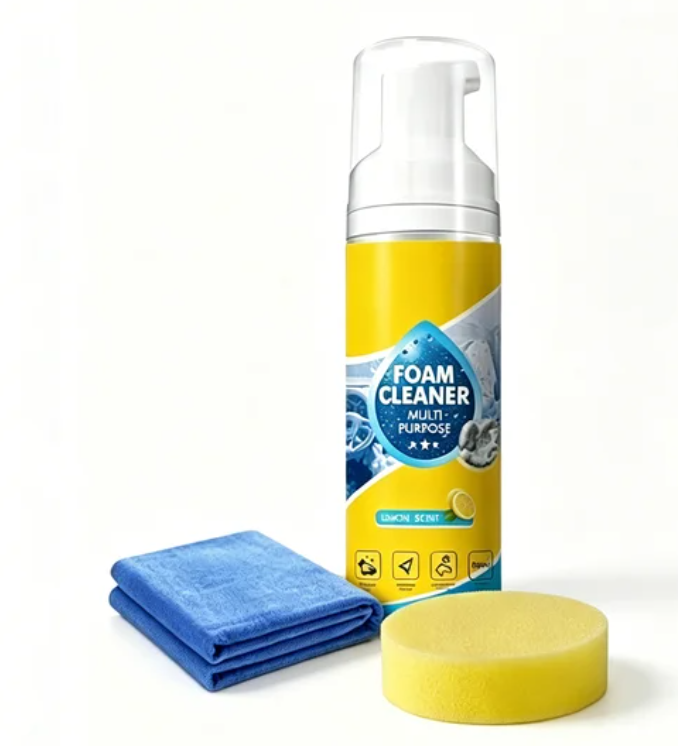
Table of Contents
- What Autogo Foam Cleaner Is Supposed to Do
- The Ads Make It Look Almost Unreal
- What This Type of Foam Cleaner Actually Does
- What Buyers Are Actually Saying
- A Detail That Keeps Standing Out
- Is Autogo Foam Cleaner Legit?
- Conclusion
What Autogo Foam Cleaner Is Supposed to Do
Autogo Foam Cleaner is marketed as an all-in-one interior cleaning foam for cars. The idea is simple. You spray it onto surfaces like seats, dashboards, door panels, or even leather interiors, let it foam up, and then wipe everything clean.
The claims are broad. It’s supposed to remove stains, grease, dust, food marks, and general grime across multiple surfaces without needing heavy scrubbing or multiple products. That’s a strong promise for something that, in most cases, looks like a basic foam-based cleaner. And that’s where things start to feel a bit familiar if you’ve seen other viral cleaning products before.
The Ads Make It Look Almost Unreal
The marketing behind Autogo follows a pattern that’s become very common online. Dirty car interiors are shown in extreme condition, then the foam is sprayed, and within seconds everything looks restored. No scrubbing, no effort, just instant transformation.
It’s designed to trigger that reaction where you think, “I need that immediately.”
But what these videos rarely show is what happens in normal conditions. Real stains don’t always lift instantly. Some are embedded deep in fabric. Others need agitation, time, or repeat cleaning. And sometimes, depending on the material, they barely move without proper detailing tools. So the gap between the ad and real life is where most expectations start to fall apart.
What This Type of Foam Cleaner Actually Does
To be fair, foam cleaners in general are not useless. They do have a real function. In practical use, products like this can help loosen surface dirt, lift light stains, and make wiping easier during basic interior cleaning. They’re useful for maintenance cleaning, especially if the mess is fresh or not deeply set into the material.
The problem starts when they’re treated like deep restoration tools. Because once you’re dealing with older stains, oily buildup, or heavily neglected interiors, foam alone is rarely enough. You usually still need brushing, proper upholstery cleaners, or more targeted detailing products.
So the real benefit here is convenience, not transformation.
What Buyers Are Actually Saying
Looking at feedback patterns for products like Autogo, the reactions tend to split in a pretty predictable way.
Some users say it’s useful for quick touch-ups. Things like dust on dashboards, light marks on plastic surfaces, or general interior refreshes. In those cases, it feels easy and effective enough.
Others are much less impressed, especially when they expected the dramatic “wipe once and it looks brand new” result from the ads. In those cases, the cleaner often performs closer to a standard low-cost foam spray rather than anything special.
That expectation gap shows up a lot with viral cleaning products. The product isn’t always completely ineffective, but the marketing sets a level of performance that’s hard to match in real use.
A Detail That Keeps Standing Out
One thing I keep noticing with products like Autogo Foam Cleaner is how often they sit inside the same pattern as other viral “instant result” products I’ve already looked into.
The marketing structure feels almost identical to what I saw with the RestoraBowl Toilet Cleaner and even the Lazzda Fast Degreaser Spray. Different categories, same promise: spray, wipe, instant transformation, no effort needed.
When you place them side by side, the similarities become harder to ignore. It’s not just about cleaning foam or toilet foam or degreaser spray. It’s the same selling loop repeated across different problems people already want solved quickly.
Is Autogo Foam Cleaner Legit?
Autogo Foam Cleaner doesn’t look like a fake product. Foam-based interior cleaners are real and widely used in car detailing. So the core idea behind it is legitimate.
The concern is more about how it’s positioned. It’s being shown like a miracle solution that replaces proper detailing work entirely, when in reality it’s more likely a light cleaning aid that helps with surface-level dirt and maintenance. That’s a big difference in expectation.
Conclusion
Autogo Foam Cleaner sits in a space that’s becoming very common online. A simple cleaning product wrapped in highly polished transformation videos.
It can probably help with quick interior touch-ups and light cleaning. But the dramatic results shown in ads don’t reflect what most people will experience in normal conditions. In reality, it’s less of a magic cleaner and more of a basic foam detailing aid that makes cleaning a bit easier, not effortless.
