If you’ve been scrolling lately, you’ve probably seen VLSVLS Bee Venom pop up. Sometimes it’s sold as a bee venom cream for wrinkles, sometimes as a joint pain relief cream, and sometimes as both at the same time.
That alone already made me curious.
Because when one product claims to fix skin aging, inflammation, and pain all in one go, it usually means the marketing is doing more work than the formula.
So I looked into it properly. And honestly, this one didn’t take long to figure out.
Quick verdict
- Real product exists, but heavily overhyped
- Uses fake endorsement-style ads and aggressive funnels
- Claims stretch across skincare and pain relief at the same time
- No solid clinical proof behind the big promises
- Classic viral product where marketing drives everything
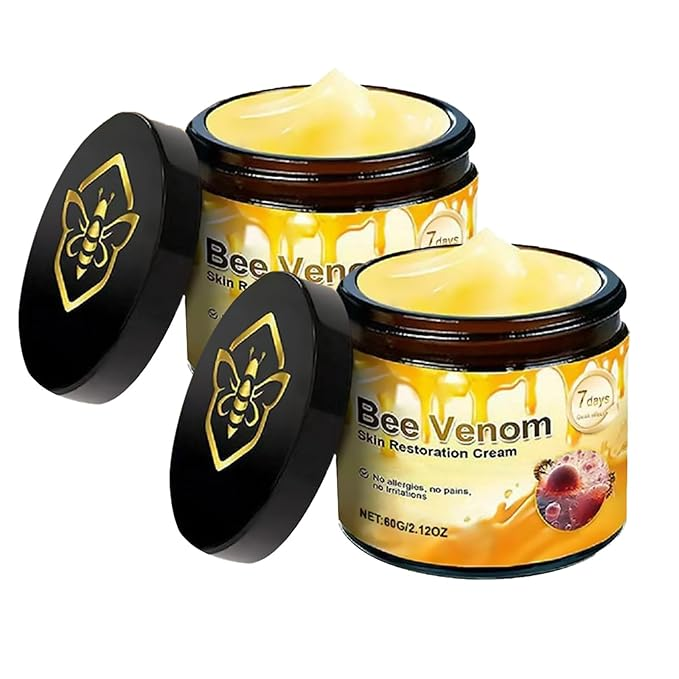
Table of Contents
- Quick verdict
- What VLSVLS Bee Venom Cream Claims To Do
- The Marketing
- The Ingredient
- The Science
- Funnel Structure
- Real User Experience
- Red Flags To Consider
- What This Product Actually Is
- My Final Take
- FAQ
What VLSVLS Bee Venom Cream Claims To Do
Depending on the page you land on, this product is marketed as:
- a bee venom cream for wrinkles (anti-aging / “natural Botox”)
- a joint pain relief cream
- a skin repair and inflammation solution
You’ll see claims like:
- reduces wrinkles fast
- boosts collagen production
- relieves joint and muscle pain
- repairs damaged skin
- improves circulation
That’s a lot for one cream.
And usually, when the claims stack this high, the results don’t.
The Marketing
This isn’t subtle marketing. It’s aggressive and very familiar.
I’ve seen the same setup before in products like Adora Delight Weight Loss Patch and Prolong Power, where the product almost comes second to the sales strategy.
Fake Endorsements and AI-Style Ads
You’ll come across:
- “celebrity” ads that don’t feel real
- doctor-style recommendations with no traceable source
- videos that look authentic but feel scripted or AI-generated
These are designed to build instant trust before you even question anything.
Fake News Page Strategy
Another thing I noticed:
- blog posts that look like health news sites
- “doctor reveals secret” headlines
- made-up studies and expert quotes
They look convincing at first glance, but there’s no real backing behind them.
Miracle Claim Stacking
Instead of focusing on one benefit, the product stacks multiple:
- anti-aging
- pain relief
- skin repair
This creates the illusion of a “breakthrough formula.”
But in reality, it’s just combining unrelated benefits into one big promise.
The Ingredient
Everything here revolves around one idea: bee venom.
It’s marketed as something that:
- stimulates collagen
- improves blood flow
- tightens skin
What actually happens in most cases is much simpler.
Bee venom creams can cause:
- a tingling or warming sensation
- temporary skin plumping
- mild surface-level effects
That’s very different from:
- reversing wrinkles
- fixing joint pain
- acting like Botox
This is where the expectation gap becomes obvious.
The Science
This is where the whole thing starts to weaken.
There’s:
- no verified clinical trials on the product
- no clear dosage transparency
- no independent testing
Yet you’ll see:
- “clinically proven”
- “doctor recommended”
- “breakthrough formula”
without actual proof attached.
I’ve seen this same gap before when reviewing JointVance, where standard ingredients were pushed as something much more powerful than they actually are.
Funnel Structure
Once you land on the sales page, it follows a predictable flow:
- bold headline (miracle results)
- emotional story
- before-and-after visuals
- urgency triggers (limited stock, countdowns)
- quick checkout push
It’s built to move you fast.
Not to inform you.
Real User Experience
When you step away from the promotional pages, things look different.
Some users report:
- slight skin hydration
- temporary smoothness
Others report:
- no visible results
- irritation or sensitivity
- issues with delivery or refunds
That gap between ads and reality is consistent.
Red Flags To Consider
A few things repeated clearly:
- fake or unverified endorsements
- fake news-style promotional pages
- exaggerated multi-purpose claims
- no product-specific clinical proof
- low brand transparency
- funnel-style selling approach
These are the same patterns I’ve documented across multiple viral products.
What This Product Actually Is
When you strip everything back, what you’re left with is: a basic topical cream with a mild stimulating effect and moisturizing base.
Not a miracle anti-aging fix.
Not a joint pain solution.
Not a “natural Botox.”
My Final Take
VLSVLS Bee Venom Cream isn’t unique. It’s another viral product built around a strong idea, then pushed hard through aggressive marketing. The claims go far beyond what the product can realistically deliver. And most of what makes it feel convincing isn’t the formula. It’s the way it’s being sold.
FAQ
Is VLSVLS Bee Venom cream legit?
The product exists, but the marketing around it is heavily exaggerated. It’s not supported by strong clinical evidence for the claims being made.
Does bee venom cream really work for wrinkles?
Bee venom can create temporary skin effects like slight plumping, but it does not work like Botox or reverse wrinkles in a significant way.
Can VLSVLS Bee Venom help with joint pain?
There’s no solid evidence that this type of cream provides meaningful joint pain relief beyond mild temporary sensation.
Is VLSVLS Bee Venom a scam?
It falls into the category of heavily marketed products where expectations are inflated. The issue is more about misleading promotion than the product simply not existing.
Are there side effects?
Some users may experience irritation or allergic reactions, especially if sensitive to bee-related ingredients.
