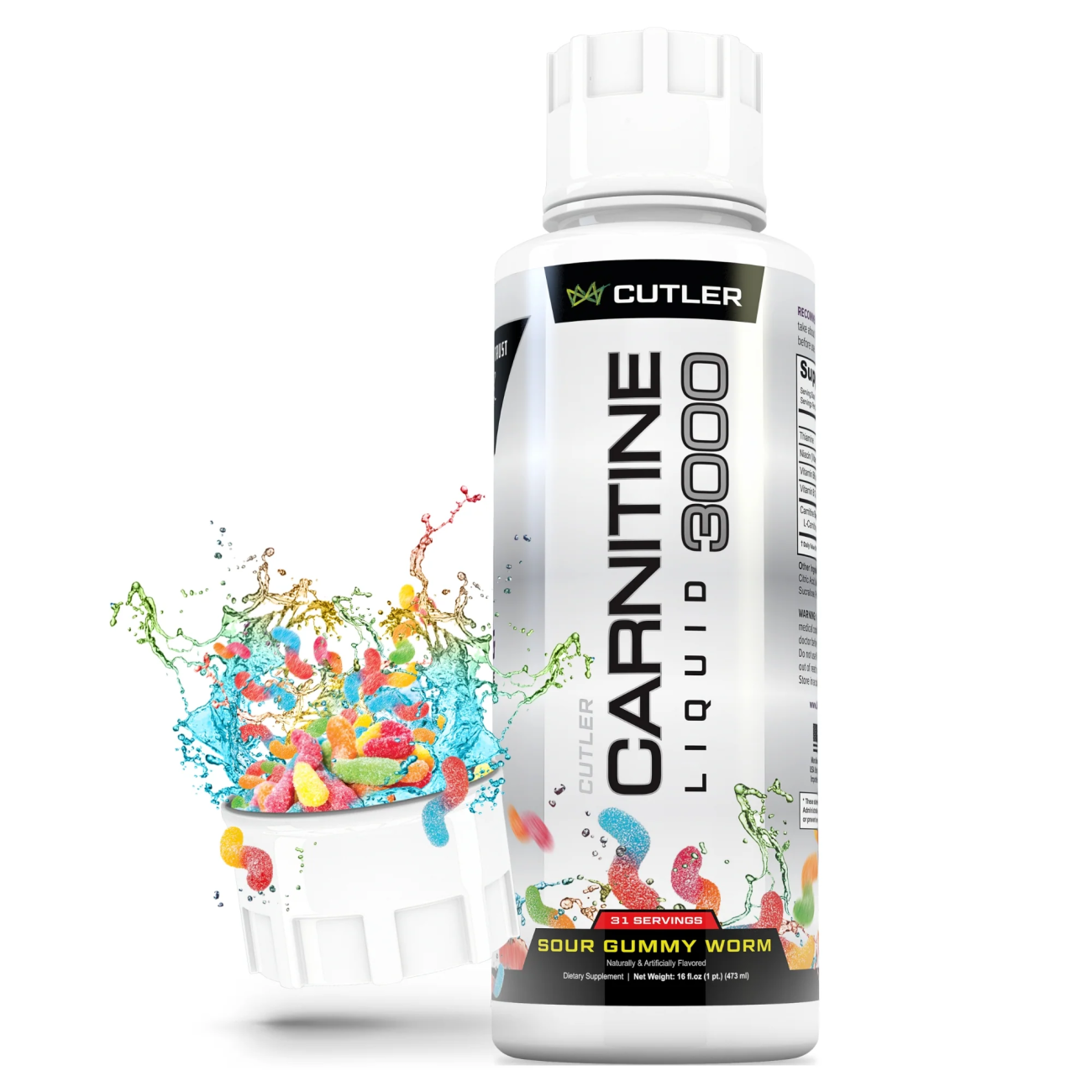
If you’ve been around gym supplements for even a little while, you’ve probably seen Jay Cutler L-Carnitine 3000. It’s marketed as a fat-burning, energy-boosting liquid L-Carnitine supplement tied to a bodybuilding legend, which instantly gives it authority in people’s minds.
The idea is simple:
take it during cutting phases, burn more fat, stay lean, and keep energy up during workouts.
That’s the promise. So I looked into it properly. And what I found is a mix of real science, smart branding, and very familiar fitness marketing exaggeration.
Quick verdict
- Legit sports nutrition product from Jay Cutler Nutrition
- L-Carnitine is a real ingredient, but not a direct fat burner
- Fat loss claims are heavily overstated in marketing
- Best used as a training support supplement, not a transformation tool
- Works only when diet and training are already controlled
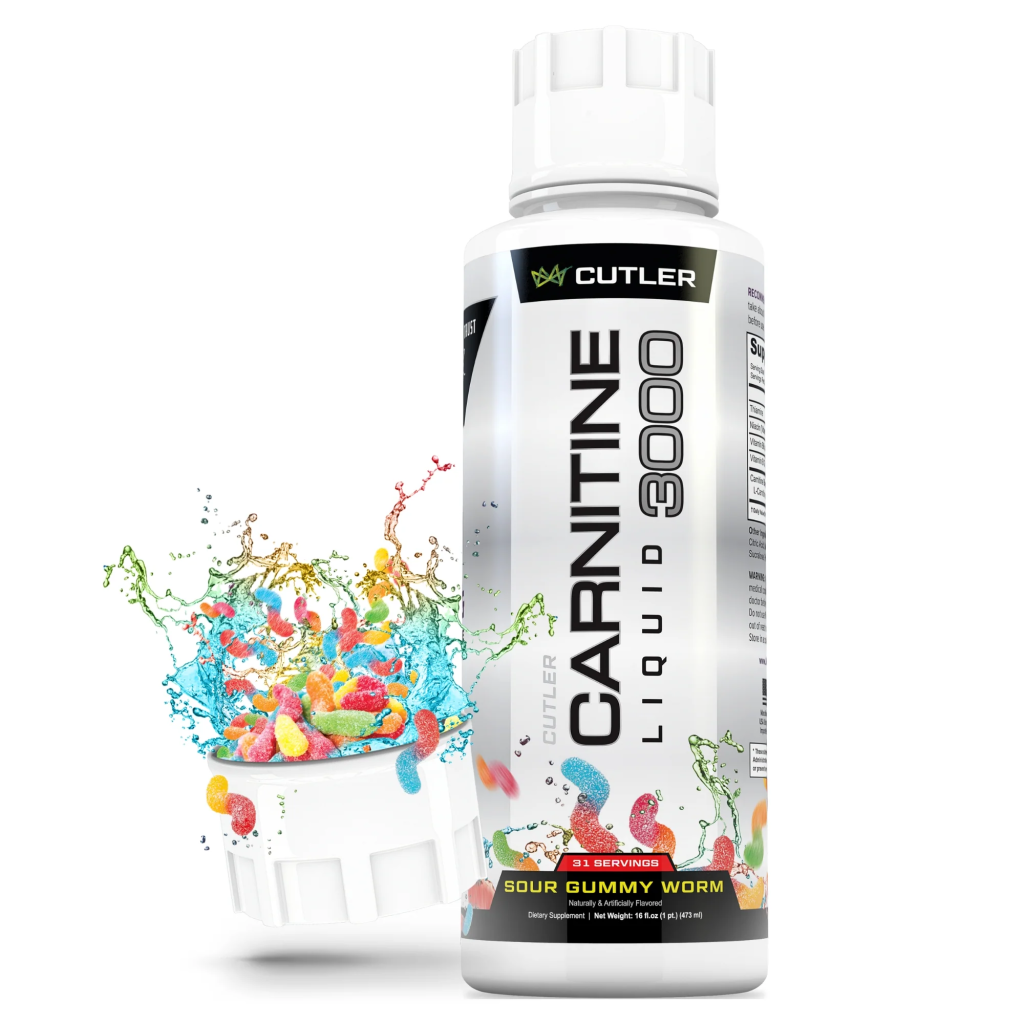
Table of Contents
- Quick verdict
- What Jay Cutler L-Carnitine 3000 Claims To Do
- Domain Age and Brand Transparency (Important Context)
- Ingredient Reality
- The Fat Burner Marketing Gap
- Jay Cutler Branding Effect
- Real-World Experience Pattern
- Side Effects
- Where This Product Actually Fits
- Comparison Context
- My Final Take
- FAQ
What Jay Cutler L-Carnitine 3000 Claims To Do
The product is positioned as a liquid L-Carnitine fat metabolism supplement designed to:
- support fat metabolism
- improve energy production
- enhance workout performance
- support endurance during training
- assist cutting and physique goals
On the surface, it fits perfectly into bodybuilding cutting cycles. But the wording often leans toward “fat burning” expectations. That’s where things need context.
Domain Age and Brand Transparency (Important Context)
Unlike most viral supplements I’ve reviewed, this is not a fly-by-night setup.
Jay Cutler Nutrition is an established fitness supplement brand tied to a known bodybuilding figure.
- long-running fitness brand presence
- structured product line (not single funnel pages)
- transparent branding compared to typical supplement funnels
This immediately separates it from products like JointVance or SciatiEase, where multiple campaign pages and unclear ownership are a red flag.
Here, the brand is real. But that doesn’t automatically mean the marketing is accurate.
Ingredient Reality
L-Carnitine is a naturally occurring compound in the body.
Its role:
- helps transport fatty acids into cells
- supports energy production pathways
So yes, it’s involved in fat metabolism.
But here’s the key truth most marketing skips:
- your body already produces L-Carnitine
- supplementation effects are often mild or inconsistent
- it does not directly “burn fat” on its own
In real-world use, it behaves more like a support compound, not a fat loss driver.
The Fat Burner Marketing Gap
This is where expectations start to get inflated.
The product is often positioned as:
- a cutting accelerator
- a fat-burning enhancer
- a metabolism booster
But in reality:
- fat loss still depends on calorie deficit
- training intensity matters more than supplementation
- L-Carnitine effects are subtle at best for most users
This gap between biological function vs marketing language is the key issue.
I’ve seen similar positioning before in Core Strength Premium, where a real ingredient is stretched into a bigger solution story.
Jay Cutler Branding Effect
This is a major psychological factor. When a product is tied to a bodybuilding icon like Jay Cutler, it creates:
- authority bias (“he used it, so it must work”)
- performance association (elite physique = elite supplement)
- trust shortcut for beginners
But that’s branding influence, not scientific validation. It helps sales more than it changes how the ingredient works.
Real-World Experience Pattern
Across fitness discussions and user feedback, the pattern is consistent:
Some users report:
- slightly better workout endurance
- mild energy improvement during training
- better “feel” during cutting phases
Others report:
- no noticeable fat loss difference
- effects only when diet is already strict
The key takeaway is consistency:
results depend heavily on lifestyle, not the supplement itself.
Side Effects
L-Carnitine is generally well tolerated, but some users report:
- mild digestive discomfort
- “fishy” body odor during sweating (in some cases)
- inconsistent energy response
Nothing extreme, but worth noting.
Where This Product Actually Fits
Stripped of marketing, Jay Cutler L-Carnitine 3000 fits into:
- sports nutrition support category
- cutting phase accessory supplement
- endurance and energy support tool
It is NOT:
- a standalone fat burner
- a rapid weight loss solution
- a transformation product
Comparison Context
Compared to stimulant fat burners, this is very different.
Unlike thermogenic products, it:
- does not spike heart rate
- does not directly increase calorie burn
- does not suppress appetite
It works more quietly in the background, which is why results are subtle.
This is also where it differs from heavily overhyped products like VLSVLS Bee Venom Cream, where marketing completely outweighs function.
My Final Take
Jay Cutler L-Carnitine 3000 is not a scam and not a hype-only product. It’s a legitimate supplement built around a real compound with real biological functions. But the marketing pushes it closer to a fat-burning solution than it realistically is.
The truth is simple: it can support your cutting phase, but it won’t drive fat loss for you.
That responsibility still comes down to diet, training, and consistency.
FAQ
Is Jay Cutler L-Carnitine 3000 a fat burner?
Not directly. It supports fat metabolism but does not actively burn fat on its own.
Does L-Carnitine help with weight loss?
It may support energy use during exercise, but weight loss still depends on calorie deficit and training.
Is Jay Cutler L-Carnitine 3000 legit?
Yes, it is a real product from an established sports nutrition brand.
When should I take L-Carnitine 3000?
Typically used before workouts or during cutting phases for energy and endurance support.
Does it work without exercise?
No meaningful fat loss effect is expected without diet and training.
