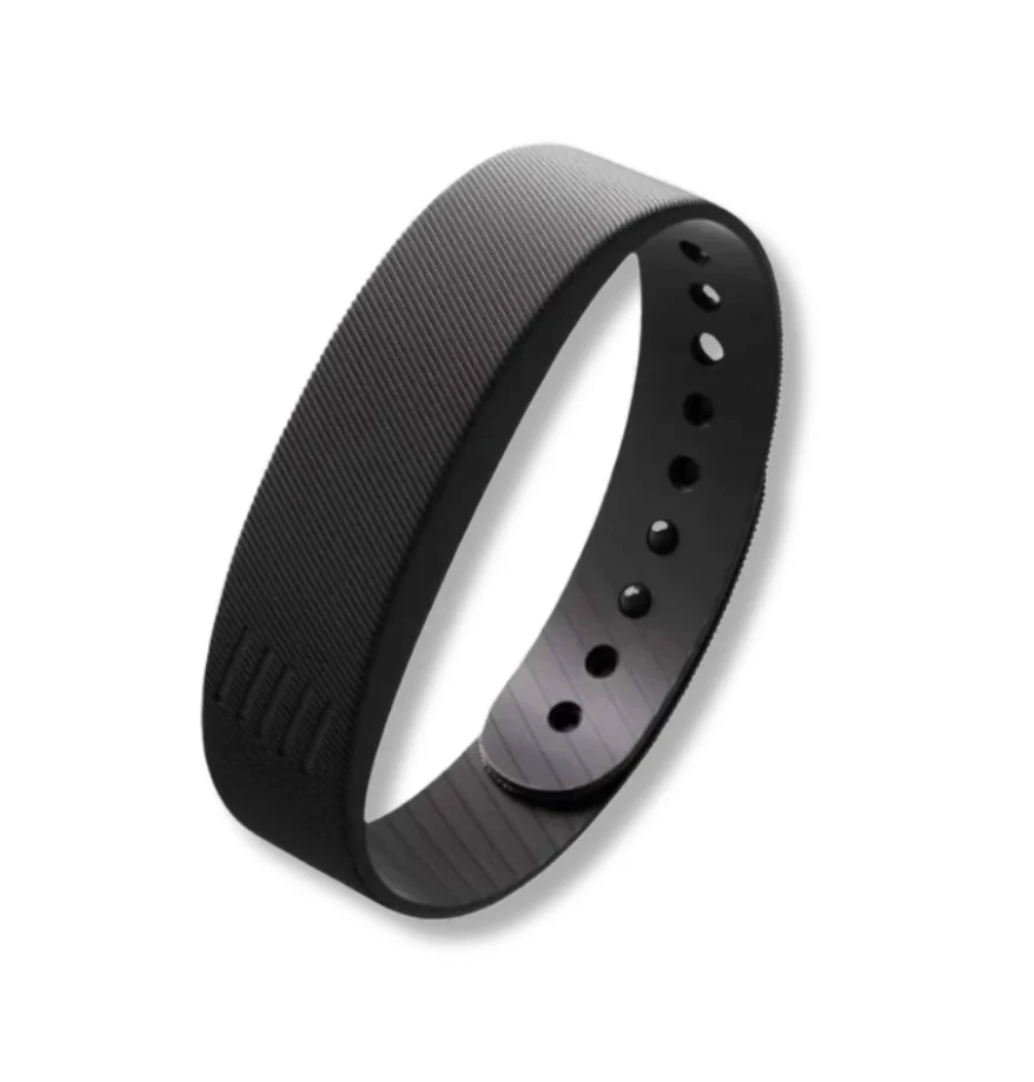
Have you seen the Nymera CalmRise Wristband all over social media and wondered if it actually helps with stressful mornings and deep sleep, or if it’s just another wellness gadget wrapped in emotional marketing?
Quick Take
- Nymera CalmRise is essentially a silent vibration alarm worn on the wrist
- It may genuinely help deep sleepers and people who dislike loud alarms
- The “nervous system” and emotional calmness claims feel exaggerated
- Most of the value seems to come from gentler waking rather than advanced wellness technology
- Overall impression: useful concept, heavily overmarketed benefits
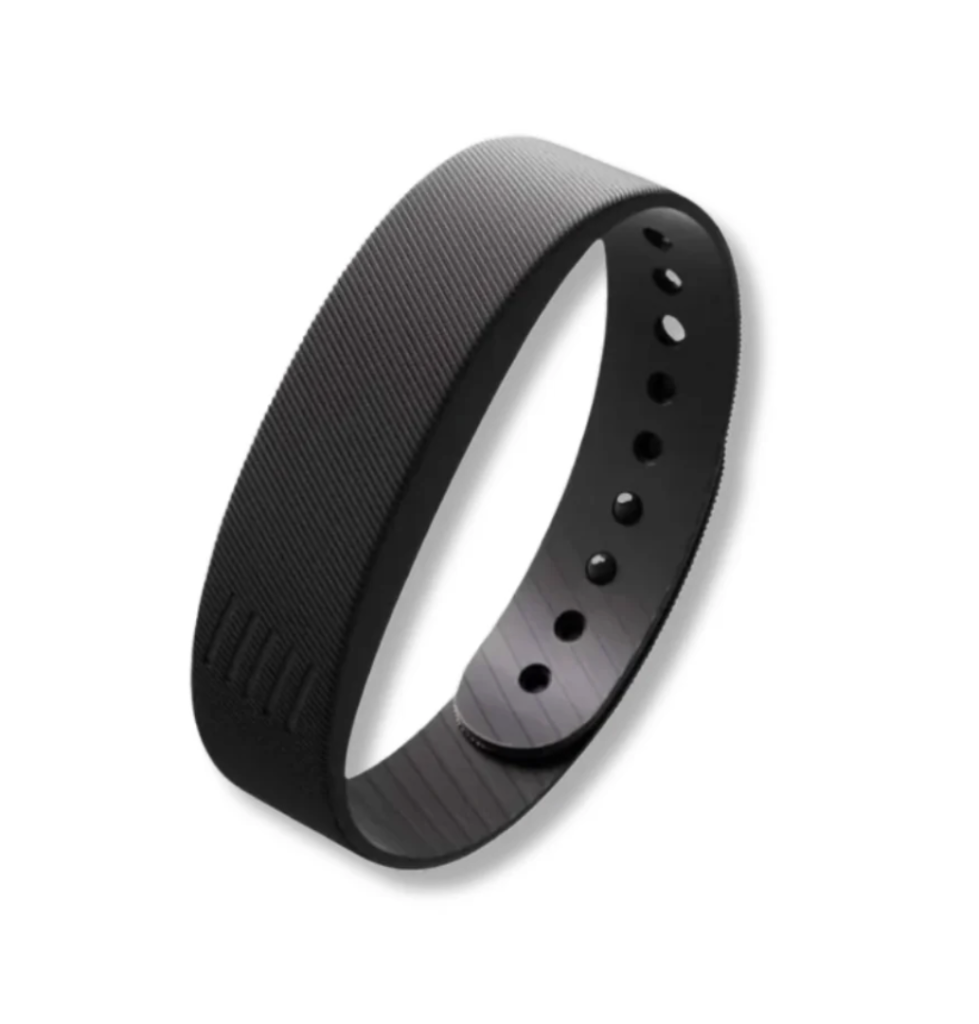
Table of Contents
- Quick Take
- What It Is and Claims To Do
- Why The Ads Look So Convincing
- First Impressions
- What Using Something Like This Is Probably Like
- Independent Reviews
- Red Flags I Noticed
- A Pattern I Keep Seeing
- Is Nymera CalmRise Legit?
- Conclusion
- FAQ
What It Is and Claims To Do
Nymera CalmRise is designed to wake users through vibration instead of sound. You wear it overnight and set an alarm, and the wristband vibrates directly against your wrist when it’s time to wake up.
The marketing focuses heavily on people who struggle with traditional alarms. Deep sleepers, sensory-sensitive users, parents with children who have ADHD or autism, and couples who don’t want to wake each other up are clearly the main audience here.
That part actually makes sense to me.
Silent vibrating alarms have existed for years through smartwatches and accessibility devices, and they can genuinely help certain people wake up in a less disruptive way. The issue is that the CalmRise marketing doesn’t stop there. It starts drifting into claims about emotional regulation, nervous system calming, reduced stress responses, and generally creating healthier emotional mornings.
That’s where things started feeling overstretched to me.
Why The Ads Look So Convincing
This is honestly the smartest part of the whole product.
The ads barely focus on the wristband itself. Instead, they focus on emotional frustration. Chaotic mornings. Loud alarms. Overtired parents. Children having meltdowns. People waking up already stressed before the day even starts.
Then CalmRise gets positioned almost like an emotional solution rather than just a vibrating alarm.
And to be fair, that kind of marketing works because it taps into a very real feeling. A harsh alarm absolutely can make mornings feel more stressful. Waking up through vibration may genuinely feel calmer and less aggressive for some people.
But there’s a huge difference between “less jarring wake-up experience” and “nervous system regulation.” The ads blur those lines heavily.
First Impressions
My first impression was that the branding felt much more premium and advanced than the product itself.
Once I stripped away the calming music, wellness language, and emotional storytelling, the core idea became very straightforward. This is essentially a wearable silent alarm.
That simplicity actually made me trust the product more, not less.
What made me cautious was the way the marketing kept trying to elevate a simple function into something that sounded medically transformative. That’s a pattern I keep seeing across wellness gadgets lately. A real function gets wrapped in oversized emotional promises until the product starts sounding life-changing.
What Using Something Like This Is Probably Like
Realistically, I can absolutely imagine this helping certain people.
If you hate loud alarms, share a bed, or wake up feeling instantly irritated by sound, vibration-based waking may genuinely feel smoother. I can also understand why some sensory-sensitive users or parents might prefer this approach over aggressive alarm sounds early in the morning.
But I think expectations matter a lot here.
This wristband is not going to magically solve anxiety, emotional regulation issues, or chronic stress. Most likely, the main benefit comes from simply waking up in a quieter, gentler way. And honestly, there’s nothing wrong with that.
Not every product has to be revolutionary to be useful.
Independent Reviews
The overall feedback pattern I found felt pretty mixed but predictable.
Some people genuinely liked the idea of silent waking and said it felt less disruptive than traditional alarms. Others mainly liked the convenience of not waking up their partner or children.
But when it came to the bigger emotional claims, I struggled to find strong evidence supporting them.
I could not find reliable clinical studies showing that vibrating alarm wristbands directly regulate the nervous system or create long-term emotional improvements. Most of the product’s credibility seems to rely on testimonials and emotional storytelling rather than hard evidence.
That doesn’t automatically make the product fake. It just means the marketing is probably promising more than the actual technology realistically delivers.
Red Flags I Noticed
The biggest red flag for me was how aggressively the product gets positioned as a wellness transformation device instead of simply a silent alarm.
Another thing I noticed is that vibrating alarms themselves are not new technology. Smartwatches, accessibility devices, and wearable alarms have been doing similar things for years. So a lot of what feels “innovative” here is really branding and emotional positioning.
I also noticed the site leans very heavily on emotional scenarios and testimonials. Whenever a product spends more time selling feelings than explaining actual functionality, I usually become more cautious.
A Pattern I Keep Seeing
The marketing behind Nymera CalmRise reminded me a lot of what I noticed while researching products like Koprez Plantar Fasciitis Sleeve, Velarux Anti-Snoring Mouth Guard, and Joint Glide.
Different products, same emotional formula.
The ads take a very real frustration like exhaustion, stress, pain, poor sleep, or weight struggles, then package the solution as something simple and almost life-changing. Sometimes the product itself is perfectly real, but the expectations created around it become much bigger than what the actual experience can realistically deliver.
That’s exactly the feeling I got here.
Is Nymera CalmRise Legit?
I don’t think Nymera CalmRise is a scam. The core function seems legitimate. A silent vibrating alarm can absolutely be useful for some people, especially deep sleepers or anyone who hates waking up to loud sounds.
What I think is exaggerated are the broader emotional and nervous-system claims surrounding it. Once you separate the actual function from the wellness marketing, the product starts looking much more ordinary. And honestly, that’s probably the fairest way to view it.
Conclusion
After researching the Nymera CalmRise Wristband, my biggest takeaway is that the real product is much simpler than the ads make it seem.
At its core, this is a wearable silent alarm. For some people, that alone may genuinely improve mornings and make waking up feel less stressful. I can absolutely believe that.
But the advertising pushes the product much further than that, into emotional wellness and nervous-system territory that doesn’t seem strongly supported by evidence.
So while I don’t think Nymera CalmRise looks fake, I do think the marketing creates expectations that are probably far bigger than the actual experience most buyers will get.
FAQ
Does Nymera CalmRise really reduce stress?
It may create a gentler waking experience than loud alarms, but there’s no strong evidence proving it directly reduces stress or regulates the nervous system.
Is Nymera CalmRise medically proven?
I could not find strong independent clinical studies supporting the broader emotional claims tied to the product.
Is it useful for deep sleepers?
Possibly. Vibration alarms can help some deep sleepers wake up without using loud sounds.
Is Nymera CalmRise a scam?
It appears to be a real product with a legitimate core function, though the marketing likely exaggerates the overall benefits.
Is it worth buying?
If you specifically want a silent vibration alarm, it may be useful. If you expect major emotional or wellness transformation, expectations should probably stay realistic.
