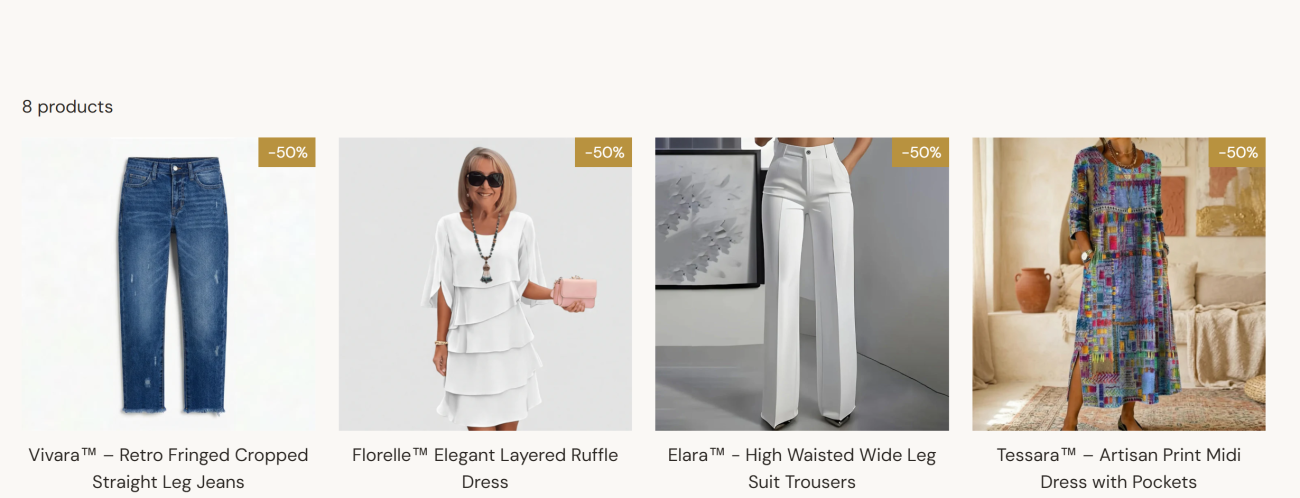
I almost fell for Lark and Clover the first time I saw it. The site looks clean, the products feel curated, and the discounts make it seem like you’ve found one of those hidden online gems. It doesn’t have that obvious “sketchy store” look, which is exactly what makes it more dangerous.
But once I slowed down and started digging into how the site actually works, especially the marketing tactics behind it, things started to feel very different. What looks like a boutique brand on the surface starts to look more like a conversion-focused store built to push quick purchases.
Quick Verdict: From everything I found, Lark and Clover uses aggressive psychological marketing tactics, combined with weak transparency and low trust signals, making it a high-risk store.
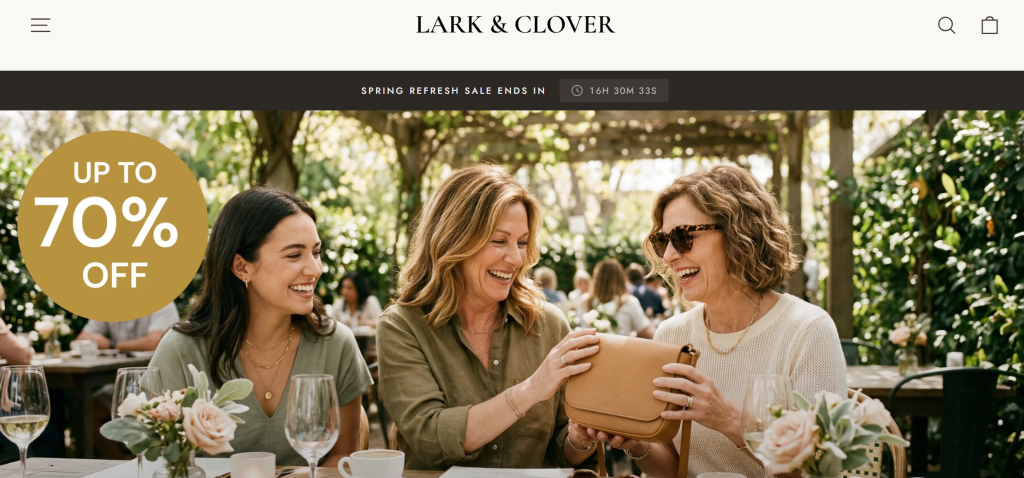
Table of Contents
- What Lark and Clover Claims to Be
- The Marketing Tricks and Tactics I Found
- Red Flags That Stood Out
- Lark and Clover Scam or High-Risk Store?
- If You’re Thinking of Buying
- Final Verdict
- Frequently Asked Questions
- How to Shop Safely Online
What Lark and Clover Claims to Be
From what I saw, Lark and Clover positions itself as a lifestyle and fashion-style store offering clothing and curated items. The branding leans heavily into that minimalist, aesthetic look that makes everything feel premium.
The messaging is very intentional:
Stylish collections
Curated lifestyle products
Affordable pricing
Free shipping and guarantees
At first glance, it feels like a small but legitimate boutique brand. But that impression doesn’t hold up once you start verifying things.
The Marketing Tricks and Tactics I Found
This is where the real story is. The entire store is structured around getting you to buy fast, not necessarily to build long-term trust.
Heavy discount anchoring
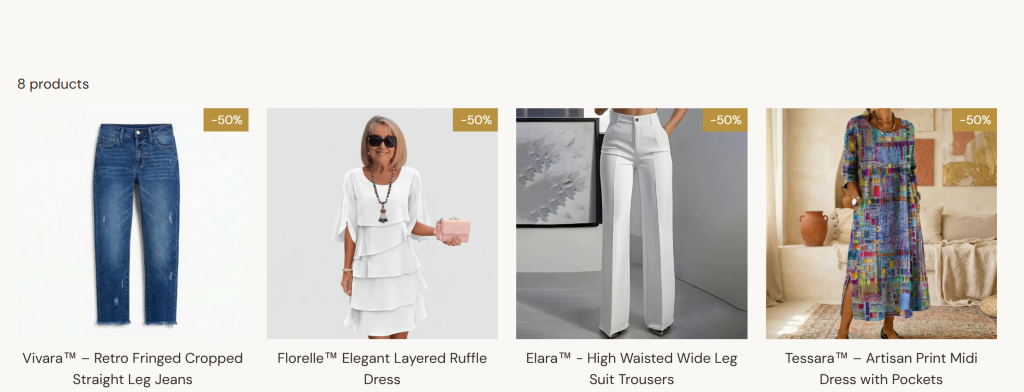
One of the first things I noticed was the pricing strategy. Products are shown with large slashed prices and big “up to 50% off” banners everywhere.
This is a classic anchoring tactic. The original price is often inflated so the discount feels bigger than it actually is.
I’ve seen this exact setup in my Velnixar.shop review, where unrealistic discounts were used to push impulse buying.
Fake urgency and pressure tactics
The site uses urgency triggers like:
Limited-time sales
Countdown timers
“Only a few left” messages
These are designed to create pressure so you don’t take time to research before buying.
This same tactic showed up in my AlmondMuse review, where urgency was used to rush buyers into checkout.
Bait-and-switch product presentation
From what I found, some buyers report that what they received didn’t match what was shown online.
This is a classic bait-and-switch approach:
High-quality images used for marketing
Lower-quality items delivered afterward
It’s one of the most common patterns in high-risk stores.
Social media ad funnel
Stores like this often rely on paid ads rather than organic reputation.
You see a polished ad on Instagram or Facebook, click through, and land on a store designed to convert quickly. If you don’t buy, you may even get retargeted with more ads later.
Surface-level branding
At first glance, the brand feels polished.
But when I looked deeper, I couldn’t find:
A strong company history
A verifiable business identity
Any meaningful brand presence outside the site
This is something I’ve also broken down in my Rosesilky.com review, where the branding looked convincing but lacked real-world credibility.
Weak buyer protection signals
Another subtle thing I noticed is the lack of strong buyer protection indicators. Some reports suggest limited secure payment options, which reduces your ability to dispute transactions.
That’s not something I ignore when assessing risk.
Fast checkout data capture
The site quickly pushes you toward checkout, asking for your personal and payment details before building real trust.
This is a common funnel design used in high-conversion, short-term stores.
Red Flags That Stood Out
Beyond the marketing tactics, here’s what raised concerns during my investigation:
Very new domain registered in 2026 with no real track record
Low trust score flagged by security systems
Hidden ownership with no clear company identity
Little to no verified customer reviews
Reports of delayed delivery or missing items
Individually, these might not mean much. But together, they form a very clear pattern.
Lark and Clover Scam or High-Risk Store?
From everything I found, Lark and Clover is not officially confirmed as a scam. But I wouldn’t consider it safe either.
It fits into the high-risk category because:
It relies heavily on psychological marketing
It lacks transparency
It has weak trust signals
It shows patterns linked to unreliable stores
That combination is enough for me to be cautious.
If You’re Thinking of Buying
Based on patterns I’ve seen across similar stores, here’s what usually happens:
Best case, you receive something, but the quality is lower than expected
Middle case, you wait weeks with poor communication
Worst case, the item never arrives or refunds become difficult
That level of uncertainty is already a red flag.
Final Verdict
After going through everything, Lark and Clover feel less like a genuine brand and more like a store optimized to convert fast. The marketing is strong. The presentation works. But the foundation behind it is weak. Between the aggressive tactics, low trust signals, lack of transparency, and customer complaints, this is not a store I’d personally trust with my money.
Frequently Asked Questions
Is Lark and Clover legit?
From what I found, it shows multiple warning signs and lacks strong credibility signals.
Is Lark and Clover a scam?
It is not officially confirmed as a scam, but it follows patterns commonly seen in high-risk stores.
Why is Lark and Clover risky?
Because of aggressive marketing tactics, weak transparency, and inconsistent customer experiences.
Is it safe to buy from Lark and Clover?
Based on my research, it carries a noticeable level of risk.
How to Shop Safely Online
After reviewing stores like this, here’s what I personally stick to:
I check domain age before trusting any new store
I look for real reviews outside the website
I avoid stores using extreme discounts and urgency
I only use payment methods with protection
I never rush because of countdown timers
If a store fails most of these checks, I simply move on.
