
If you’ve recently searched for Neurocept reviews, you’re probably trying to answer one question: does this brain supplement actually work? Interest in Neurocept has grown as its ads spread across social media and video platforms, often promising improved memory, sharper focus, and relief from brain fog. For people worried about cognitive decline or struggling to stay mentally sharp, those claims can sound appealing. At the same time, the aggressive marketing behind the product has led many people to look for independent information before deciding whether Neurocept is legitimate or just another heavily promoted supplement.
Quick Verdict
• Neurocept is marketed as a brain health supplement designed to support memory, focus, and cognitive performance.
• The formula contains common nootropic ingredients such as ginkgo biloba, bacopa monnieri, and B vitamins.
• Most scientific research relates to individual ingredients rather than the finished Neurocept formula.
• The product is promoted through emotional storytelling and long-form sales presentations.
• Consumer complaints online include refund difficulties and customer support issues.
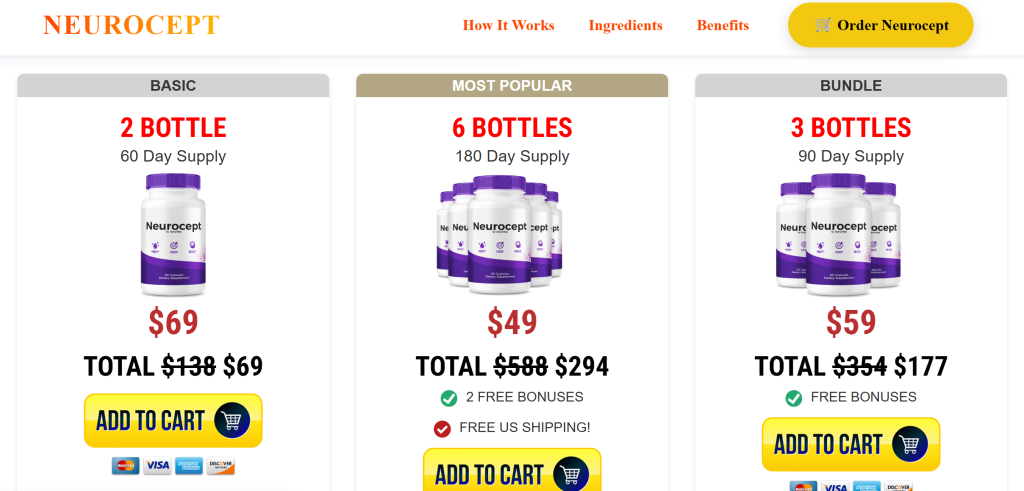
Table of Contents
- Quick Verdict
- What Neurocept Claims to Do
- Inside Neurocept: Ingredients, Marketing and Website Transparency
- What Research Actually Shows
- How Brain Health Supplements Are Regulated
- Red Flags to Consider
- Who Should Consider Neurocept
- Who Should Skip Neurocept
- What to Do If You Already Bought Neurocept
- How to Avoid Similar Supplement Funnel Traps
- Final Verdict
- Tips to Stay Safe When Shopping for Supplements Online
- Frequently Asked Question
What Neurocept Claims to Do
Neurocept is promoted as a supplement intended to improve memory, sharpen focus, and support long-term brain health. Marketing materials often suggest that the formula works by improving circulation to the brain, supporting neurotransmitter activity, and protecting nerve cells from oxidative stress. These claims appeal to people looking for ways to maintain mental clarity or reduce brain fog. However, supplements marketed for cognitive support typically provide general nutritional support rather than treating neurological conditions.
Inside Neurocept: Ingredients, Marketing and Website Transparency
Neurocept is promoted as a cognitive support supplement containing ingredients commonly used in nootropic formulas. The ingredients often listed in product descriptions include ginkgo biloba, bacopa monnieri, L-theanine, Panax ginseng, and B vitamins. Similar ingredient patterns appear in other cognitive supplement investigations such as NeuroQ. These compounds have been studied individually for potential roles in supporting circulation, neurotransmitter function, and overall brain health. However, most research focuses on these ingredients separately rather than on the finished Neurocept formula.
The way Neurocept is marketed online follows a pattern frequently seen in supplement sales funnels. Similar marketing funnels appear in products like Memo Genesis. Advertisements often begin with emotional stories about brain fog, memory problems, or concerns about cognitive decline. These ads typically lead viewers to long presentation videos that describe what appears to be a scientific breakthrough before eventually revealing the supplement as the solution.
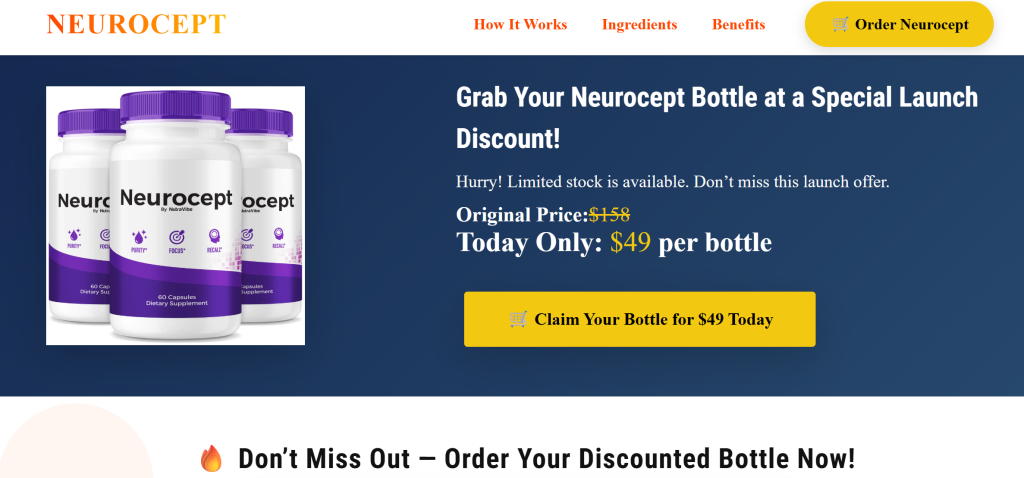
Pricing for Neurocept is usually structured around bundle offers that encourage customers to purchase several bottles at once at a discounted price. This type of pricing strategy is common in supplement campaigns because it creates urgency while increasing the overall purchase amount.
Another factor worth considering is the transparency of the websites promoting the product. In many cases, Neurocept is advertised through promotional landing pages or affiliate-style sales sites rather than a clearly established brand website with detailed company information. When supplements are sold primarily through marketing funnels instead of transparent company platforms, it can make it harder for consumers to verify manufacturing standards, quality control, and long-term accountability.
What Research Actually Shows
Some ingredients used in Neurocept have been studied for their potential role in supporting cognitive function. Certain plant extracts and nutrients may contribute to antioxidant activity, circulation support, or neurotransmitter balance. However, research results are often mixed, and most studies focus on individual ingredients rather than the exact supplement formula. Scientists generally agree that long-term brain health depends on many factors including exercise, sleep quality, nutrition, and cardiovascular health. Supplements may provide supportive nutrition, but they rarely replace lifestyle factors that influence cognitive performance.
How Brain Health Supplements Are Regulated
Supplements like Neurocept are regulated differently from prescription medications. In many countries, dietary supplements are not required to prove effectiveness before being sold. Manufacturers are responsible for ensuring product safety and accurate labeling, but regulatory agencies typically review products after they are already on the market. Because of this system, consumers often need to evaluate marketing claims and ingredient evidence carefully when considering cognitive supplements.
Red Flags to Consider
• Marketing that focuses heavily on fear of memory decline or cognitive aging
• Advertisements referencing experts or public figures that are difficult to independently verify
• Limited independent clinical research on the finished supplement formula
• Consumer complaints about refunds, billing issues, or difficulty contacting customer support
These factors do not automatically mean a supplement is fraudulent, but they are signals consumers should evaluate carefully before purchasing.
Who Should Consider Neurocept
• Adults looking for general nutritional support for memory or focus
• People interested in plant-based nootropic supplements
• Individuals curious about supplements that support cognitive wellness
Who Should Skip Neurocept
• People expecting the supplement to treat dementia or neurological diseases
• Anyone taking medications that may interact with herbal ingredients
• Individuals seeking a medically proven treatment for cognitive decline
What to Do If You Already Bought Neurocept
If you’ve already purchased Neurocept, the first step is simply to manage expectations. Supplements marketed for cognitive support usually work gradually, and results vary widely from person to person. Keep your order confirmation and receipt so you can reference them if needed. Check the company’s refund and return policy carefully and note the time window for requesting a refund. Monitor your bank or credit card statements for unexpected charges or recurring billing. If the product causes side effects such as headaches, digestive discomfort, or allergic reactions, stop using it and consult a healthcare professional. If you believe the product was misrepresented or the seller refuses a reasonable refund request, you may also consider contacting your payment provider to ask about dispute or chargeback options.
How to Avoid Similar Supplement Funnel Traps
Online supplement marketing often follows predictable patterns, and recognizing them can help you avoid questionable products in the future. Be cautious when a supplement is promoted through long storytelling videos that promise a dramatic “breakthrough” or secret discovery. Look for clear ingredient lists, transparent company information, and independent reviews outside the official sales page. Avoid rushing into purchases based on countdown timers or limited-time discounts, which are common tactics used to create urgency. Checking the website’s domain history, reading multiple independent reviews, and researching the ingredients individually can provide a clearer picture before buying. In general, supplements that rely more on emotional marketing than transparent evidence deserve extra scrutiny.
Final Verdict
Neurocept is promoted as a brain health supplement intended to support memory, focus, and cognitive performance. The formula includes ingredients commonly found in nootropic supplements, and some of these compounds have been studied individually for potential cognitive benefits.
However, strong clinical evidence supporting the finished Neurocept formula remains limited, and the marketing surrounding the product relies heavily on emotional storytelling and persuasive sales presentations. For people interested in general nutritional support for brain health, Neurocept may be one option to consider. At the same time, it should be viewed as a dietary supplement rather than a proven treatment for memory loss or cognitive decline.
Tips to Stay Safe When Shopping for Supplements Online
When buying health products online, a few simple habits can reduce risk. Purchase from websites that clearly list company details, contact information, and refund policies. Look for independent customer feedback from multiple platforms rather than relying solely on testimonials displayed on the product’s own sales page. Be cautious of exaggerated health claims, especially promises of rapid results or cures for serious medical conditions. It is also wise to use secure payment methods such as credit cards or reputable payment platforms that offer dispute protection. Taking a few extra minutes to research a supplement before ordering can prevent costly mistakes and help you choose products that are more transparent and trustworthy.
Frequently Asked Question
Is Neurocept legit? Neurocept appears to be a real dietary supplement marketed for cognitive support, although concerns about marketing tactics and customer complaints have been reported.
Does Neurocept improve memory? Some ingredients in the formula have been studied for cognitive support, but strong clinical evidence proving the supplement significantly improves memory is limited.
Is Neurocept FDA approved? Like most dietary supplements, Neurocept is not FDA approved for treating or preventing disease.
Are there side effects? Side effects appear uncommon, but herbal ingredients can interact with medications in some individuals. Anyone with health concerns should consult a healthcare professional before using supplements.
Also Read >>> Natravor Patches Review: Do They Really Work or Is This Another Weight Loss Patch Scam?
