Dressly.world presents itself as a modern solution to a common insecurity: not knowing how to dress well. It uses polished visuals, carefully chosen language, and the buzzword of the decade, artificial intelligence to sell the idea that a smart system can replace a human stylist and help you finally “get your style right.”
But behind the clean design and confident promises lies a far more troubling reality.
For a growing number of users, Dressly.world is not a helpful fashion tool. It is a subscription trap. A system designed to pull users in with personalization theatrics, lock key features behind payment, and then extract recurring charges for a service that many describe as shallow, misleading, and difficult to escape.
This review examines Dressly.world not as a lifestyle app, but as what its behavior strongly suggests it is: a scam built on deception, obscured billing, and overpromised AI capability.
- What Dressly.world Claims to Be and Why That Matters
- The Onboarding Illusion: Commitment Before Consent
- What Users Say Happens After You Pay
- The Real Scam Mechanism: Subscription Confusion and Persistent Charges
- Scam Pattern Breakdown: Why This Is Not Just a “Bad App”
- Is Dressly.world Technically “Legit”? Yes. Is It a Scam? Also Yes.
- What to Do If You’ve Already Been Charged
- Why Platforms Like This Keep Thriving
- Final Verdict: Avoid Dressly.world
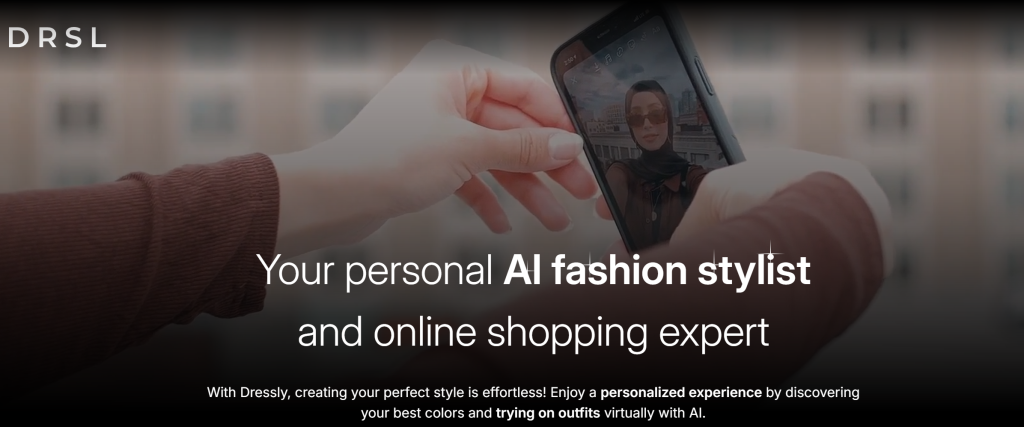
What Dressly.world Claims to Be and Why That Matters
Dressly.world positions itself as an AI-powered personal styling service. It claims to analyze your body type, preferences, and goals to produce personalized outfit ideas and wardrobe guidance. The implication is sophistication that something complex and intelligent is working behind the scenes.
This framing is crucial. When people hear “AI,” they assume depth, adaptability, and insight. They assume the system learns and improves. That assumption carries most of the platform’s credibility.
The problem is that the experience many users report does not support those assumptions.
The Onboarding Illusion: Commitment Before Consent
Before any payment is requested, Dressly.world walks users through a series of questions about style, colors, and body shape. This process feels thoughtful and personal. It creates emotional investment and the sense that the system already understands you.
Only after that commitment is established does payment enter the picture.
This is not accidental design. It is a psychological tactic. Once users feel seen, declining payment feels like abandoning progress. The most appealing results are withheld just long enough to push people toward subscribing.
By the time money changes hands, expectations are already inflated.
What Users Say Happens After You Pay
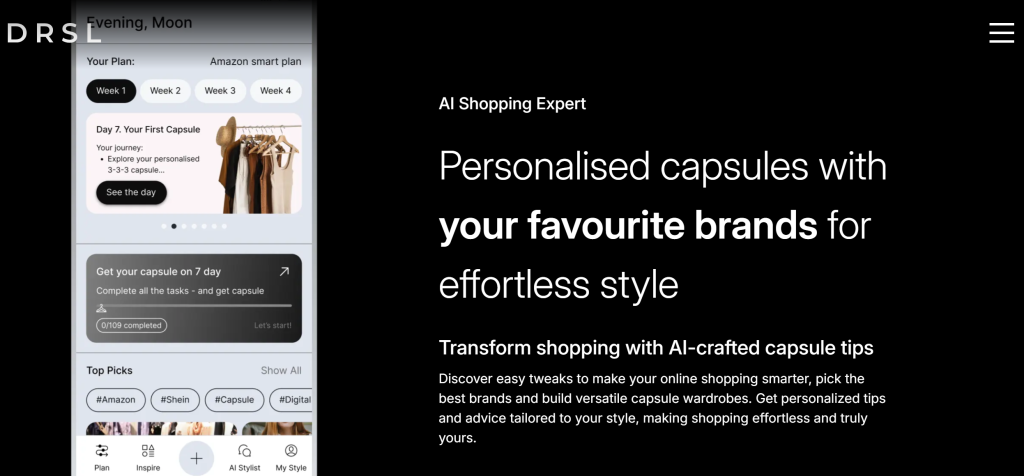
Once subscribed, a consistent realization sets in: the advice is generic.
Users expecting nuanced, evolving recommendations instead describe surface-level fashion tips that rarely change. The guidance often mirrors common advice freely available online. The promised AI personalization feels shallow, cosmetic, and static.
If this were the only issue, Dressly.world would simply be a low-quality product. What pushes it into scam territory is what happens alongside this disappointment.
The Real Scam Mechanism: Subscription Confusion and Persistent Charges
Across independent reviews and app store feedback, one complaint appears again and again: billing.
Users describe being charged more than expected, charged after believing they canceled, or not fully understanding when billing began. Some report difficulty stopping recurring payments, while others only noticed charges weeks later.
This pattern is not rare or isolated. It is widespread.
A legitimate service makes pricing and cancellation obvious. A scam relies on confusion, delay, and user fatigue. Dressly.world follows the second model. The platform benefits when users assume things will resolve themselves or fail to act quickly.
That is not an accident. It is the business model.
Scam Pattern Breakdown: Why This Is Not Just a “Bad App”
Dressly.world fits a familiar and increasingly common exploitative pattern.
First, it borrows authority from AI branding, discouraging skepticism. Then it creates psychological commitment through questionnaires before payment. Next, it withholds desirable features behind a paywall, triggering urgency. After payment, the value collapses, but the subscription remains active. Finally, cancellation becomes harder than sign-up, allowing charges to continue.
This is not poor design. It is intentional friction.
Platforms built on trust reduce friction at exit. Platforms built on exploitation increase it.
Dressly.world aligns with the latter.
Is Dressly.world Technically “Legit”? Yes. Is It a Scam? Also Yes.
Dressly.world exists. The app functions. Payments process. Customer support sometimes responds. That technical legitimacy is often used as a shield against criticism.
But modern scams rarely look like fake websites anymore.
Today’s scams operate legally enough to survive, while still causing consumer harm through misleading expectations, unclear billing, and value misrepresentation. When a platform consistently leaves users feeling tricked rather than satisfied, labels matter less than outcomes.
Dressly.world produces harm through confusion, not disappearance. That is still a scam.
What to Do If You’ve Already Been Charged
If you are already subscribed and feel misled, act immediately.
Cancel through your account directly and document everything. Screenshots matter. Do not assume uninstalling the app stops billing. Then check how payment was processed. If charges continue, contact your bank or payment provider and request a dispute or chargeback, citing deceptive subscription practices.
If you paid through an app store, use the platform’s dispute system. These systems track patterns, and repeated complaints carry weight.
The most damaging mistake is waiting. Many users report additional charges simply because they hesitated.
Why Platforms Like This Keep Thriving
Dressly.world is not unique. It represents a broader trend where AI branding is used to justify subscriptions that deliver little substance. The word “AI” creates mystique and discourages critical thinking, especially among users already feeling insecure about the problem being sold a solution.
Until stronger consumer protections exist, platforms like this will continue to thrive on assumption, optimism, and confusion.
Final Verdict: Avoid Dressly.world
Dressly.world is not a harmless styling app. It is a subscription scam disguised as AI innovation.
It overpromises personalization, underdelivers value, and relies on unclear billing to extract recurring payments from users who expected something far more sophisticated.
There are safer, clearer, and often free alternatives that do not risk ongoing financial loss or cancellation battles.
If you are considering Dressly.world, stop. If you are already subscribed, cancel and monitor your accounts closely.
Bottom line: Dressly.world functions, but its business model depends on misleading expectations and consumer inattention. That is not innovation. It is exploitation.
