Tinnito Pen promises to stop tinnitus ringing, but does it really work? I dug into user experiences, marketing tricks, and red flags to find out. If you’ve ever struggled with tinnitus, you know how relentless that ringing can be. Some days it fades, other days it’s all you hear. The ads claim that this small pen-like device can calm the noise… no meds, no complicated treatments, just a quick fix. It sounds tempting, but I’ve seen products like this before, and anyone desperate for relief needs to look closer before buying.
Review Summary
Tinnito Pen is marketed as an easy solution for tinnitus, but there is no solid evidence it can reduce or stop ringing in the ears. The claims rely heavily on vague “stimulation” and “circulation” language without clinical proof. Based on how it is marketed and what real users report, it follows a familiar pattern seen in many overhyped health gadgets.
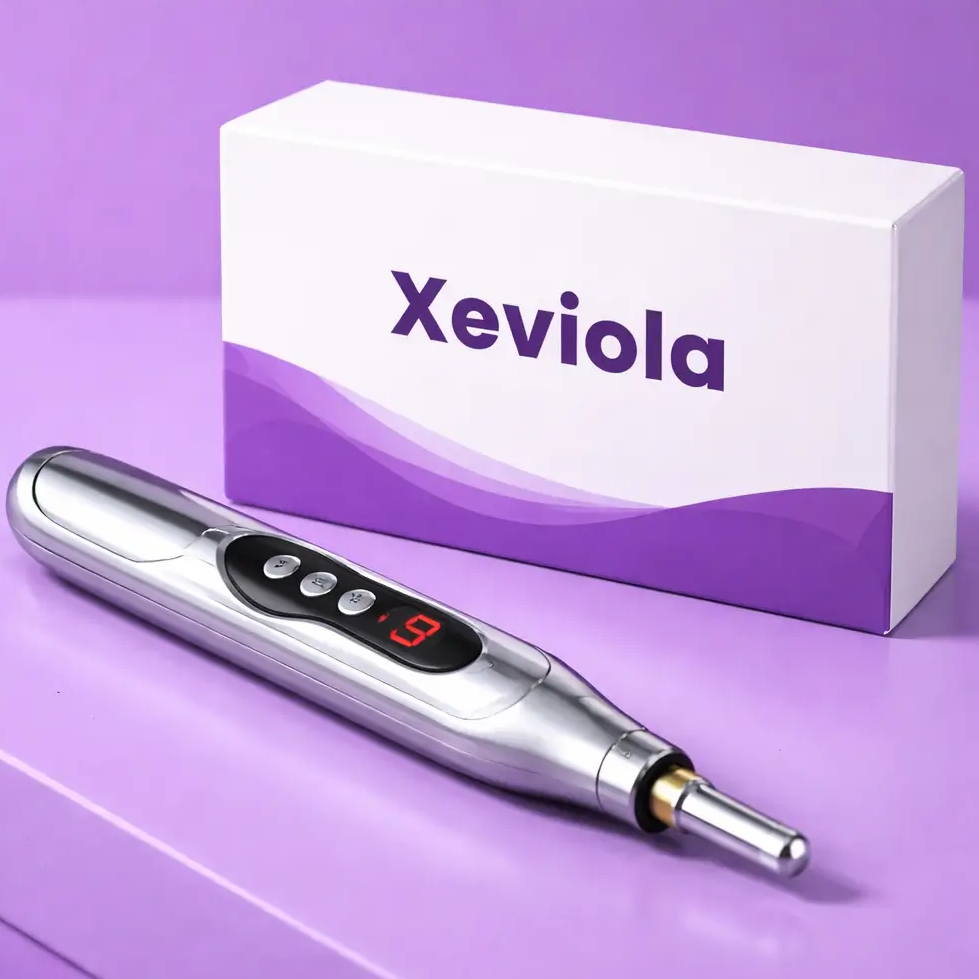
Table of Contents
- Review Summary
- What Tinnito Pen Claims To Do
- Red Flags You Should Not Ignore
- How The Marketing Pulls You In
- How the Tinnito Pen Marketing Funnel Actually Works
- Tinnito Pen User Reviews: What People Really Experience
- The Reality Behind Tinnitus Claims
- What To Do If You Already Bought It
- How To Avoid Similar Products
- Conclusion
What Tinnito Pen Claims To Do
According to the ads, Tinnito Pen works by stimulating areas around the ear using vibration or similar technology. Some pages suggest it improves blood flow or activates nerves linked to hearing. On the surface, it sounds believable. That is exactly what makes it effective as a pitch. But once you look closer, the explanation starts to fall apart. There is no clear mechanism, no measurable outcome, and no proof that this type of stimulation can influence tinnitus in a meaningful way.
Red Flags You Should Not Ignore
This is where things start to get concerning.
First, there are no verified clinical studies tied to the actual product. You will not find peer reviewed research showing that Tinnito Pen reduces tinnitus.
Second, the technology is described in vague terms. Words like stimulation, vibration, and circulation are used without explaining how they directly affect the root cause of tinnitus.
Third, when you look into the websites selling Tinnito Pen, many of them are relatively new domains with short lifespans. That is often a warning sign. Products like this are frequently sold on newly created sites that can be replaced or rebranded once complaints start to build.
Fourth, the product appears across different websites with similar descriptions, pricing strategies, and layouts. That usually points to a mass marketed item rather than a unique or specialized device.
Fifth, refund policies can be frustrating. Some buyers report slow responses, unclear instructions, or being asked to return items to overseas addresses, which can make refunds difficult or not worth the cost.
Sixth, the marketing leans heavily on emotional triggers. Relief, silence, and quick results are pushed without realistic expectations or verifiable proof. This is not unique to Tinnito Pen. It follows the same pattern I have seen before in this Lymphatic Drainage Earrings Review, where strong claims are used to sell simple products, and also in this Cleantra Lymphatic Drainage Drops review, where the marketing sounds more convincing than the results.
How The Marketing Pulls You In
The ads are designed to hit you at the right moment. You will usually see someone clearly struggling, then suddenly relieved. Calm visuals, soft music, and phrases like “finally silence” or “natural relief” make it feel believable. Then the urgency kicks in. Limited time discounts, bundle deals, and “only a few left” messages push you to act quickly. This kind of setup is not random. It is built to get you to buy before you stop and question how it actually works. I have seen this same approach used in other trending products like this Leanzene Gummies review, where the story sells the product more than the product sells itself.
How the Tinnito Pen Marketing Funnel Actually Works
After looking closely at how Tinnito Pen is promoted, a clear pattern starts to appear. The marketing follows a formula that shows up again and again with viral health gadgets.
First, the ads target people who are already frustrated with tinnitus. They highlight the constant ringing, the sleepless nights, and the feeling that nothing works. This emotional hook makes the promise of a simple device extremely appealing.
Next comes the “easy solution.” The product is presented as a small tool that supposedly stimulates nerves or improves circulation around the ear. The explanation sounds scientific, but it stays vague enough that it doesn’t need real proof.
Then the landing page builds momentum. You’ll usually see dramatic testimonials, claims about natural relief, and reassuring language suggesting that the device is safe and widely used. These elements are designed to build trust quickly.
After that, urgency is introduced. Limited-time discounts, bundle offers, and countdown timers encourage buyers to act immediately rather than take time to research.
Finally, the checkout process often pushes additional purchases or larger bundles. This increases the total order value before the buyer has fully evaluated the product.
When you step back and look at the full funnel, it becomes clear that the strategy focuses heavily on emotional persuasion and fast conversions rather than transparent medical evidence.
Tinnito Pen User Reviews: What People Really Experience
When you move beyond the ads and look at independent feedback, the story changes. A lot of users report little to no improvement in their tinnitus. Some describe it as a temporary distraction rather than real relief. Others say they kept using it hoping something would change, but nothing did. There are also repeated complaints about the device feeling cheap or not matching the price. On top of that, some buyers mention slow shipping, vague tracking updates, and difficulty getting support or refunds. Not everyone experiences this, but it shows up often enough to be a pattern.
The Reality Behind Tinnitus Claims
Tinnitus is not something that can be easily fixed with a surface level device. It is often linked to deeper issues like inner ear damage or how the brain processes sound. That makes simple solutions like this very appealing, but also very unlikely to deliver what is being promised. When a product makes something complex sound this easy, it is worth slowing down and taking a closer look.
What To Do If You Already Bought It
If you have already purchased Tinnito Pen and feel unsure about it, act quickly. Save screenshots of the product page and claims. Keep your order confirmation and emails. Contact the seller and request a refund in writing so you have a record. If you run into issues, your bank or card provider can help you dispute the charge.
How To Avoid Similar Products
Products like this tend to follow the same formula. Be cautious of anything that promises fast results with minimal effort. Watch for scientific sounding language without real proof. Pay attention to urgency tactics like countdown timers and heavy discounts. Taking a few extra minutes to research can save you from a disappointing purchase.
Conclusion
Tinnito Pen is built around a strong idea, but the execution does not match the promise. The marketing makes it feel like a simple solution to a frustrating problem, but there is no real evidence it can deliver the kind of results being advertised. It fits the pattern of products that rely more on storytelling than effectiveness. If you are dealing with tinnitus, it is completely understandable to want relief, but this is not likely to be the solution you are hoping for.
FAQ
Does Tinnito Pen really work for tinnitus?
There is currently no clinical evidence showing that devices like Tinnito Pen can reduce or eliminate tinnitus.
Is Tinnito Pen FDA approved?
There is no public evidence that Tinnito Pen is FDA approved as a medical device.
Where is Tinnito Pen sold?
The device is usually sold through temporary ecommerce websites and online ads rather than established medical retailers.
