If you’ve seen Echozen Drops online, it probably didn’t come up like a normal supplement. It likely showed up through a dramatic ad talking about a “hidden cause of tinnitus” or a “simple trick” that can supposedly stop the ringing in your ears. That alone is a red flag. After digging into it, Echozen Drops follows the exact same pattern used by many overhyped supplement funnels. This is not just about whether the product works. It is about how it is being sold and why so many people are starting to question it.
Quick Verdict: Echozen Drops is a heavily marketed tinnitus supplement that relies on secret trick ads, fake doctor claims, and high-pressure sales tactics. There is no verified clinical evidence that it stops ringing in the ears or restores hearing. Most of the claims are based on marketing rather than proven results, and many users report little to no improvement.
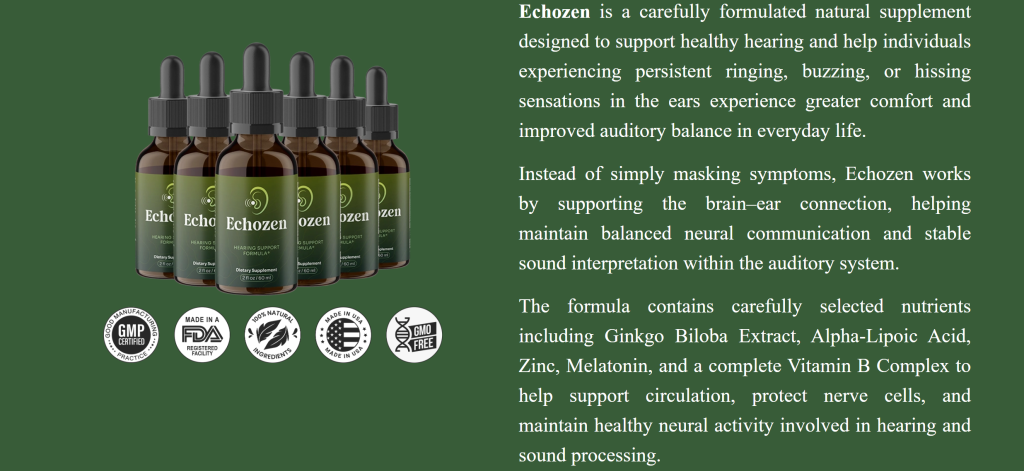
Table of Contents
- The “Secret Trick” That Never Gets Explained
- The Fake Doctor and Dr Oz Angle
- The Fake Science That Sounds Convincing
- The Emotional Pressure Behind the Ads
- How the Echozen Drops Funnel Actually Works
- Is Echozen Drops legit or a scam?
- What You Are Really Getting
- How to Avoid These Supplement Traps
- Final Verdict: Echozen Drops Is All Marketing
- Frequently Asked Questions About Echozen Drops
The “Secret Trick” That Never Gets Explained
The first hook is always curiosity. The ads tease a “15-second trick,” a “hidden method doctors don’t want you to know,” or a “common ingredient in your kitchen.” You are led to believe you will learn something simple that can fix your ears. But if you actually go through the video or page, the trick is never clearly explained. Everything slowly leads you toward buying the drops instead. This is intentional. The secret is not the solution. It is bait to keep you watching long enough to sell you something.
The Fake Doctor and Dr Oz Angle
Another major red flag is how Echozen tries to build trust. Some ads mention well-known names like Dr Oz or talk about “top doctors” backing the product. When you check properly, there is no real connection. These endorsements are either fake, taken out of context, or completely made up. In some cases, the videos look like real interviews but are edited or generated to create a false sense of authority. A product that actually works does not need to borrow credibility like this.
The Fake Science That Sounds Convincing
Echozen marketing tries hard to sound scientific. You will see mentions of brain signals, nerve damage, toxins, and research breakthroughs. It sounds detailed enough to feel believable. But there is no real proof behind it. There are no clear clinical studies tied to Echozen Drops itself. No published trials. No measurable results. Talking about science is not the same as proving something works, and that is where many people get misled.
The Emotional Pressure Behind the Ads
The messaging is not just informative. It is emotional. The ads focus on fear and urgency. They suggest your tinnitus could get worse or that you are missing out on a simple fix. Sometimes they even hint that doctors are hiding the real solution. This kind of messaging is designed to push you into acting quickly. When people feel desperate for relief, they are more likely to buy without checking the details.
How the Echozen Drops Funnel Actually Works
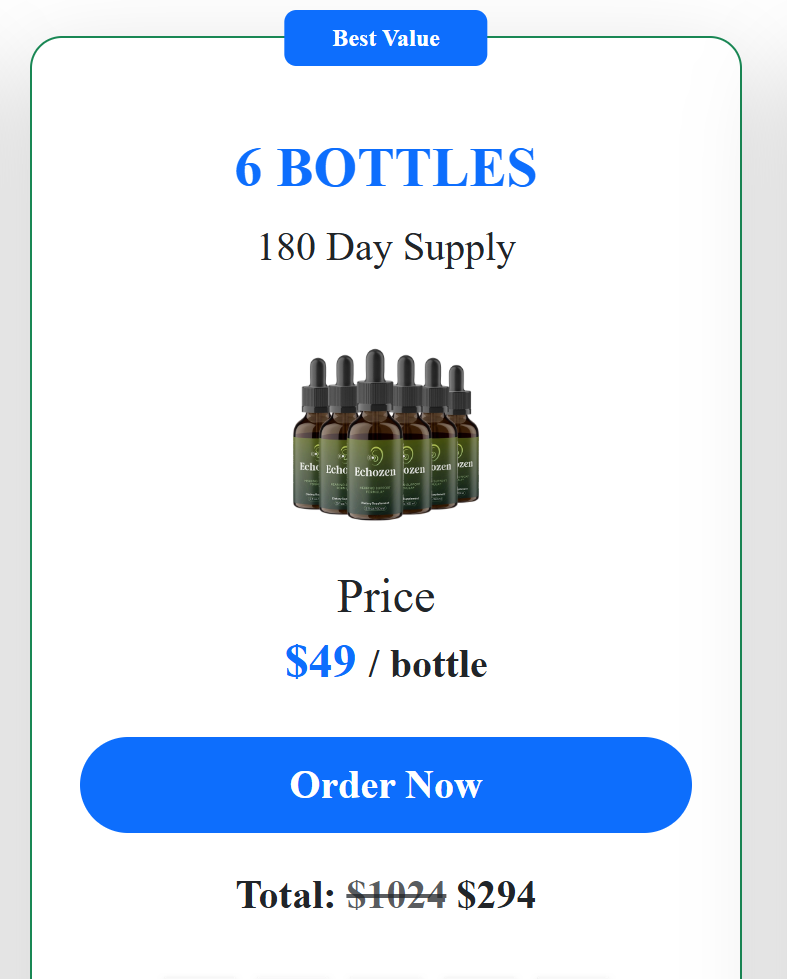
Once you step back, the pattern is easy to see. You come across a viral-style ad that promises a simple solution. You click and land on a long video or story that builds curiosity but does not give clear answers. You are kept watching while the problem is repeated again and again. Then suddenly you are pushed to a checkout page. At that point you see limited-time discounts, bundle offers, and pressure to act fast. This is designed to stop you from thinking too much or doing proper research before buying.
Is Echozen Drops legit or a scam?
Echozen Drops is marketed in a way that raises red flags. While it may be a basic supplement, the use of fake doctor claims, “secret tricks,” and high-pressure sales tactics makes it difficult to trust. Many people consider it a scam.
What You Are Really Getting
Even if you ignore the marketing, there is still a problem. There is no strong evidence that Echozen Drops can stop tinnitus, restore hearing, or deliver fast results. At best, it appears to be a basic supplement with common ingredients found in many similar products. At worst, it is just another overhyped formula wrapped in a very aggressive sales system. If you have read my breakdown of Audifort Drops,, you will notice the same pattern. Different name, same strategy.
How to Avoid These Supplement Traps
Once you understand the pattern, it becomes easier to avoid it. Be careful with products that promise secret tricks but never explain them. Watch out for fake doctor endorsements or celebrity names used without proof. Avoid long sales videos that drag on without giving clear information. Be cautious of countdown timers and pressure tactics. If it sounds too good to be true, it usually is. You will see similar tactics in products like NeuroDyne Drops, which follow the same playbook.
Final Verdict: Echozen Drops Is All Marketing
After going through everything, the conclusion is simple. Echozen Drops is not being sold based on solid proof or real results. It is being sold using curiosity, fake authority, emotional pressure, and a funnel designed to get quick purchases. That does not automatically mean the product itself is fake, but it does mean the system around it is built to sell, not to inform. If a product truly worked for tinnitus, it would not need secret tricks, fake doctors, and high-pressure ads to convince people. That alone is enough reason to be cautious.
Frequently Asked Questions About Echozen Drops
Does Echozen Drops really stop tinnitus?
No clear evidence shows that Echozen Drops can stop tinnitus. The ads make it sound like a simple fix, but there are no verified clinical studies proving it works. At best, it may act like a general supplement. It is not a proven solution for ringing in the ears.
Is Echozen Drops approved by doctors or medical experts?
No. Echozen Drops is not approved by medical authorities to treat hearing problems or tinnitus. Any mention of doctors or names like Dr Oz in ads is not verified and is often part of marketing tactics, not real endorsements.
What is the “secret trick” Echozen talks about?
There is no real secret trick. The ads use this idea to pull you in and keep you watching. By the end of the video or page, the “trick” is never clearly explained. The goal is to lead you into buying the product.
Are Echozen Drops reviews real?
Most of the positive reviews you see on sales pages are not reliable. They are often written for marketing purposes. Real feedback from independent sources is usually mixed or negative, with many users saying they saw no results.
Can Echozen Drops restore hearing loss?
No. There is no scientific proof that Echozen Drops can restore hearing or repair ear damage. Claims like this are unrealistic and not backed by evidence.
Is Echozen Drops a scam?
Echozen Drops follows a pattern seen in many scam-style supplement funnels. That includes fake authority, hidden sales tactics, and pressure to buy quickly. While the product itself may be a basic supplement, the way it is marketed raises serious concerns.
Are there any side effects?
There is no clear, reliable data on side effects. Like most supplements, reactions can vary depending on the person and ingredients. This is another reason to be cautious, especially if you have existing health conditions.
Why is Echozen Drops only sold online?
Products like this are often sold only through their own websites so they can control the sales process. This also makes it harder to verify claims, compare prices, or rely on trusted third-party reviews.
What should I do instead of buying Echozen Drops?
If you’re dealing with tinnitus or hearing problems, the better step is to speak with a qualified professional. Supplements like this are not a substitute for proper diagnosis or treatment
