If you’ve searched for BoostMind reviews, you’re likely trying to answer one simple question: does this supplement actually help with memory and focus, or is it just another product riding the wave of brain health marketing? Interest in cognitive supplements has grown as more people deal with brain fog, mental fatigue, and concerns about long-term memory. BoostMind appears in that same space, positioned as an easy way to stay sharp. After seeing it show up repeatedly in ads and product listings, I took a closer look at how it’s presented and what actually supports its claims.
Quick Verdict
• Marketed for memory, focus, and mental clarity
• Uses common nootropic ingredients found in many supplements
• No strong clinical evidence on the finished product
• Marketing is stronger than scientific backing
• Brand transparency and consistency are limited
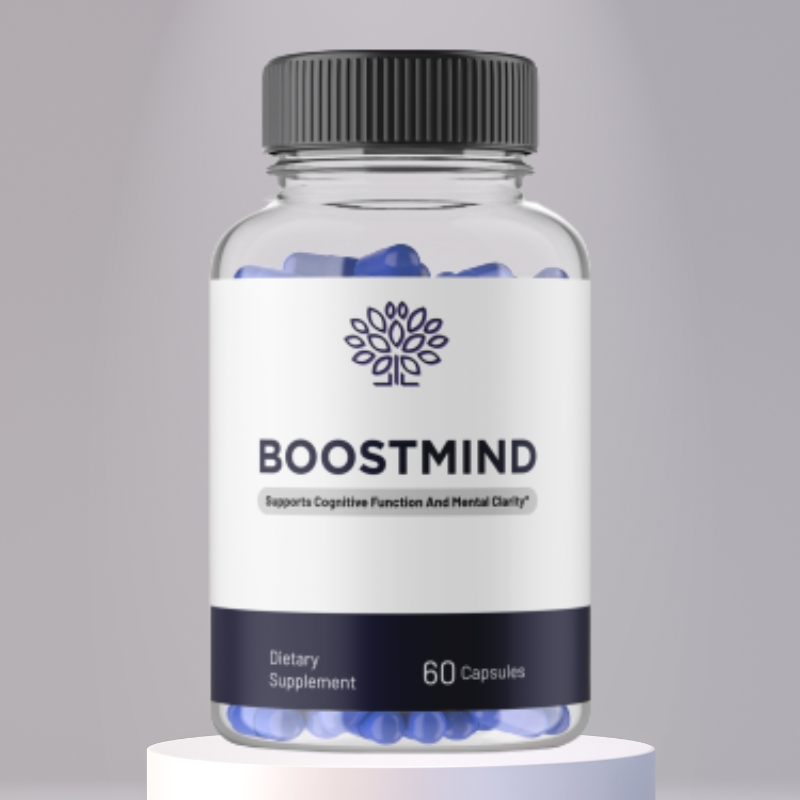
Table of Contents
- Quick Verdict
- What BoostMind Claims to Do
- Ingredients, Marketing, Pricing and Website History
- What Research Actually Shows
- How Brain Supplements Are Regulated
- Red Flags to Consider
- Who Should Consider BoostMind
- Who Should Skip BoostMind
- What to Do If You Already Bought BoostMind
- How to Avoid Similar Supplement Traps
- Conclusion
- FAQ
What BoostMind Claims to Do
BoostMind is promoted as a cognitive support supplement designed to improve memory, sharpen focus, and reduce brain fog. The messaging leans heavily on the idea of restoring mental clarity and helping you feel more alert throughout the day. In some cases, the wording suggests ongoing benefits with continued use, implying that the supplement supports long-term brain health. You’ll also see it framed as a “nootropic,” a term that sounds scientific and advanced but is often used loosely in marketing to increase perceived effectiveness. These types of claims are common in the category, but they are rarely backed by product-specific clinical trials.
Ingredients, Marketing, Pricing and Website History
BoostMind contains ingredients that appear frequently in brain health supplements, including ginkgo biloba, bacopa monnieri, and B vitamins. These compounds have been studied individually for potential roles in circulation, neurotransmitter support, and cognitive function. However, what matters in practice is dosage, absorption, and formulation. Without clear disclosure of ingredient quantities, it’s difficult to determine whether the formula delivers meaningful effects. This lack of transparency is a recurring issue in many supplements in this category. This same pattern is also seen in supplements like Synaptigen, which I’ve reviewed separately.
The marketing behind BoostMind follows a familiar pattern. It often starts by highlighting common concerns like forgetfulness, lack of focus, or mental fatigue, then positions the supplement as a simple solution. Many of these campaigns also introduce authority-style messaging, referencing unnamed doctors, researchers, or vague “clinical breakthroughs” to build trust without providing verifiable proof. This approach is also seen in products like Memo Genesis and Neurocept, where storytelling and perceived expertise are used to guide the buyer toward a decision.
Pricing is typically structured in bundles, encouraging users to buy multiple bottles at once for a lower per-unit cost. This strategy increases upfront spending while reinforcing the idea that results require long-term use. Another point worth noting is the lack of a clearly established, centralized brand website. BoostMind appears across different listings and promotional pages, which can make it harder to verify consistency, manufacturing standards, and long-term accountability.
During my research, I also looked at how the product is presented across domains. When a supplement is tied to recently created or inconsistent websites, it can suggest a short-term marketing push rather than a well-established brand with a track record. In many cases, similar products reappear under different brand names using the same structure, same claims, and even similar ingredient lists. This pattern allows sellers to restart the marketing cycle under a new name once trust declines or complaints increase.
What Research Actually Shows
Some of the ingredients associated with BoostMind have been studied for cognitive support, but results are mixed and often modest. For example, ginkgo biloba has been widely researched, yet findings vary, with some studies showing small benefits and others showing no significant effect. Bacopa monnieri may support memory over time, but typically requires consistent use at specific doses. These nuances matter because ingredient-level evidence does not automatically translate into real-world results from a finished supplement.
There is no strong clinical evidence showing that BoostMind itself significantly improves memory, focus, or cognitive performance. Most claims rely on general research about ingredients rather than direct testing of the product.
How Brain Supplements Are Regulated
BoostMind falls into the category of dietary supplements, which are regulated differently from prescription medications. Manufacturers are not required to prove effectiveness before selling their products. This means supplements can be marketed with broad or suggestive claims as long as they avoid direct medical promises. Because of this, the responsibility often falls on consumers to evaluate whether the claims match the available evidence.
Red Flags to Consider
• No product-specific clinical studies confirming effectiveness
• Ingredient dosages are not clearly disclosed
• Common formula shared across many similar supplements
• Sold through multiple listings instead of a single verified brand platform
• Marketing relies on emotional triggers like memory decline and brain fog
• Use of vague authority references instead of verifiable experts
• Limited independent, detailed customer feedback
These patterns don’t automatically confirm a scam, but they are consistent with products where marketing plays a bigger role than measurable results.
Who Should Consider BoostMind
• Adults looking for general nutritional support for brain health
• People curious about trying nootropic-style supplements
• Individuals interested in plant-based cognitive support formulas
Who Should Skip BoostMind
• Anyone expecting treatment for memory loss or neurological conditions
• People looking for clinically proven cognitive improvement
• Individuals who prefer products with full ingredient transparency and testing
What to Do If You Already Bought BoostMind
If you’ve already purchased BoostMind, start by keeping your order confirmation and checking the refund policy. Monitor your experience over time and avoid relying on expectations created by marketing. If you notice side effects, stop using the supplement. If there are billing issues, unexpected charges, or problems with delivery, contact your payment provider quickly while dispute options are still available.
How to Avoid Similar Supplement Traps
Be cautious of supplements that present themselves as “nootropic breakthroughs” or use scientific-sounding language without clear, verifiable evidence. Terms like brain optimization, neuro-enhancement, or cognitive activation are often used to create the impression of advanced science without showing how the product actually works in real conditions.
Watch for authority-based marketing that mentions doctors, researchers, or clinical discoveries without naming verifiable sources. Real medical credibility is easy to trace. When authority is vague, it’s often being used to manufacture trust rather than demonstrate it.
Pay attention to how the product is sold. If you’re led through long videos, emotional storytelling, or problem-solution narratives before seeing the product, you’re likely inside a marketing funnel. These funnels are designed to guide decisions, not necessarily to present balanced information.
Also notice if similar products keep appearing under different names. This happens because once a supplement gains negative feedback or loses momentum, it can be rebranded and relaunched using the same formula and marketing structure. Recognizing that pattern early can help you avoid repeated exposure to the same type of product under new branding.
Look for clear ingredient transparency, a consistent official website, and independent reviews outside of the sales page. These are often stronger signals of legitimacy than polished marketing or persuasive claims.
Conclusion
BoostMind follows a familiar pattern seen across many brain supplements: widely used ingredients, broad cognitive claims, and limited product-specific evidence. While some ingredients may offer mild supportive benefits, there is no strong proof that the supplement delivers significant improvements in memory or focus. If you’re considering BoostMind, it’s best to approach it as a general wellness supplement rather than a solution for cognitive decline. Clear expectations and careful evaluation matter more than marketing promises.
FAQ
Is BoostMind legit? BoostMind appears to be a real supplement, but limited transparency and inconsistent branding raise caution.
Does BoostMind improve memory? There is no strong clinical evidence showing significant memory improvement.
Is BoostMind FDA approved? No, like most dietary supplements, it is not FDA approved for treating or preventing disease.
Are there side effects? Side effects are possible, especially with herbal ingredients or interactions with medications.
