Rodan + Fields is a skincare brand that has long relied on word-of-mouth visibility rather than traditional retail presence. Founded by dermatologists Dr. Katie Rodan and Dr. Kathy Fields, the same team behind Proactiv. The company built its reputation on regiment-based skincare designed to deliver noticeable results through consistent use.
For much of its history, Rodan + Fields operated under a multi-level marketing (MLM) model. Products were sold through independent consultants who earned commissions not only from sales, but also from recruiting others. While this approach helped the brand expand quickly, it also brought sustained criticism related to inflated pricing, aggressive sales tactics, and unrealistic income expectations.
In September 2024, Rodan + Fields officially abandoned the MLM structure and transitioned to an affiliate-based sales model. This shift was widely viewed as an attempt to address growing consumer distrust. This review examines whether that change meaningfully improves the brand’s value, and whether the products themselves justify their premium price.
Quick Verdict
Rodan + Fields offers skincare that can work for some people, particularly those who respond well to structured routines. However, the combination of high prices, inconsistent results, and a controversial business history makes the brand difficult to recommend when equally effective or better alternatives are widely available at lower cost.
It may make sense for users who have already tried the products and know they work for their skin. For most consumers seeking value, transparency, and flexibility, it is easier to skip.
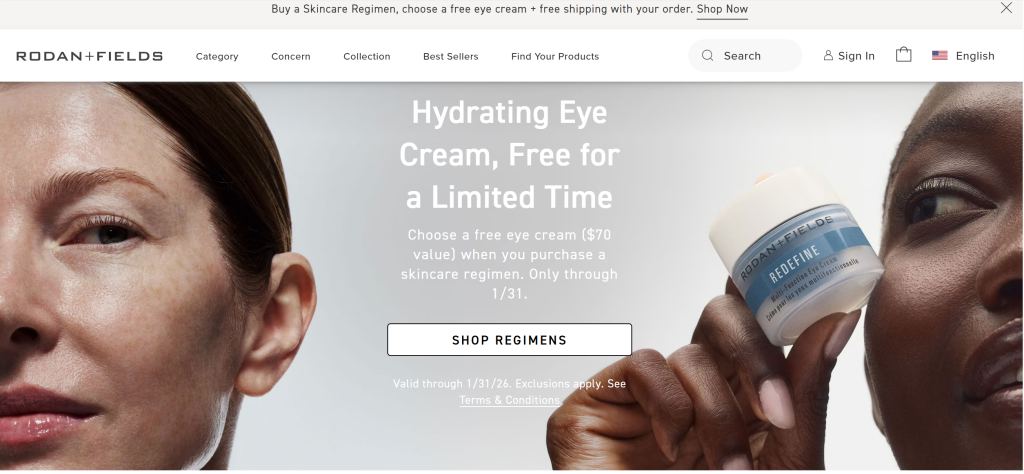
Table of Contents
- Quick Verdict
- Business Model: Then vs. Now
- Company Background and Reputation
- Product Lines Overview
- Product Performance: What Works and What Doesn’t
- Pricing: The Biggest Obstacle
- Ingredient Transparency and Formulation Quality
- Customer Experience and Public Sentiment
- Is Rodan + Fields Worth It?
- Better Alternatives
- Final Thoughts
Business Model: Then vs. Now
Before September 2024, Rodan + Fields followed a traditional MLM structure. Consultants were encouraged to sell products directly while also recruiting others into their network. Income disclosures showed that the majority of participants earned little to nothing after expenses, a common issue within MLM systems. Recruitment often overshadowed product education, leading to persistent complaints about pressure tactics, social media spam, and exaggerated income claims.
The current affiliate model removes recruitment incentives entirely. Affiliates now earn commissions only on products they personally sell. This change reduces some ethical concerns and makes purchasing more straightforward for consumers. However, while the structure has changed, the pricing has not. The brand still commands premium prices that are difficult to justify based on formulation alone.
Company Background and Reputation
Rodan + Fields was founded in 2000 by two Stanford-trained dermatologists who gained massive recognition through Proactiv. That medical association remains central to the brand’s marketing. However, the company’s reputation has been damaged by controversy most notably a $38 million class action settlement related to its Lash Boost eyelash serum.
The lawsuit alleged that Lash Boost caused side effects including eye irritation, eyelid discoloration, and other ocular issues, linked to the use of prostaglandin analogs. While the company denied wrongdoing and later reformulated the product, the settlement raised serious concerns about safety claims and transparency.
Product Lines Overview
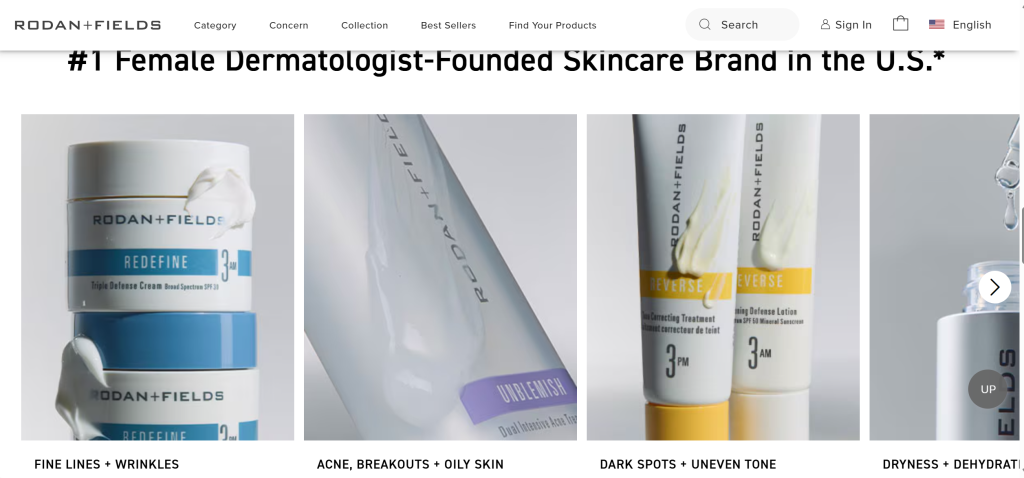
Rodan + Fields products are sold primarily as bundled regimens rather than standalone items. The most popular lines focus on anti-aging, acne treatment, skin brightening, and sensitive skin support. Lash Boost remains one of the brand’s most recognizable products, though also its most controversial.
This regimen-based approach simplifies skincare for beginners but limits flexibility for experienced users who prefer to customize routines or avoid unnecessary products.
Product Performance: What Works and What Doesn’t
The brand’s strongest asset is that its products are developed by dermatologists and include widely recognized active ingredients such as retinol, benzoyl peroxide, salicylic acid, and niacinamide. These ingredients are clinically proven and can deliver real benefits when properly formulated and tolerated by the skin.
Some users report improvements in acne control, skin texture, and brightness, particularly with consistent use of the Redefine, Unblemish, and Reverse lines. Sunscreen-containing moisturizers and acne masks tend to receive better feedback than other products in the lineup.
However, results are far from consistent. A significant portion of users report minimal improvement, while others experience dryness, irritation, or breakouts. Given the premium pricing, this inconsistency is a major drawback.
Pricing: The Biggest Obstacle
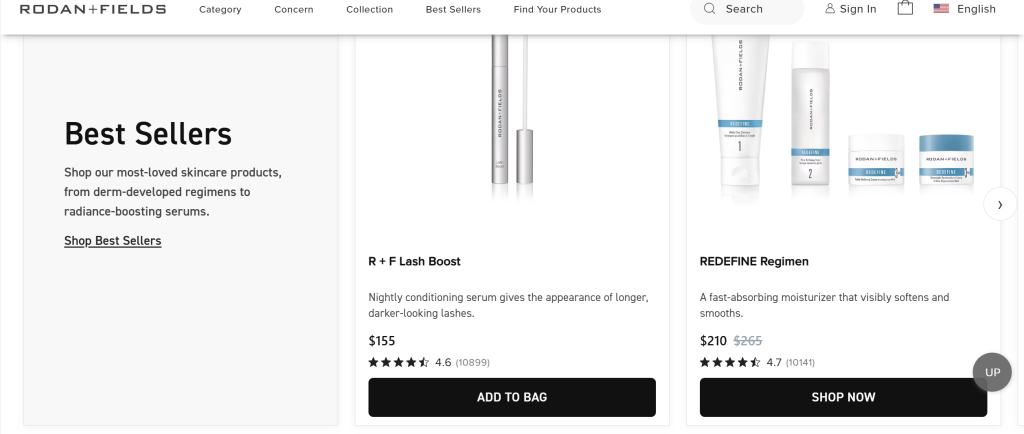
Rodan + Fields pricing is where the brand struggles most. A typical anti-aging regimen costs around $220, while full routines can approach $300. Monthly maintenance often ranges from $60 to $90, putting annual skincare costs between $700 and $1,200.
When compared to alternatives, the value proposition weakens considerably. Drugstore brands like CeraVe, La Roche-Posay, and The Ordinary offer similar active ingredients for a fraction of the price. Even prestige brands such as SkinCeuticals and Drunk Elephant while expensive, tend to offer more advanced formulations and stronger clinical reputations at comparable price points.
Historically, MLM-related overhead contributed to inflated prices. Although the company has moved away from MLM, those inflated costs have not meaningfully decreased.
Ingredient Transparency and Formulation Quality
Rodan + Fields formulations rely on standard, well-researched skincare actives. While this is not inherently negative, it does mean the products are not unique. The brand does not consistently offer higher concentrations, advanced delivery systems, or cutting-edge ingredients that would justify its pricing.
Ingredient transparency is also limited compared to competitors that clearly disclose percentages and formulation logic. This lack of clarity makes it harder for informed consumers to assess value.
Customer Experience and Public Sentiment
Customer feedback across platforms such as Trustpilot, Reddit, and the Better Business Bureau paints a mixed picture. Loyal users praise the simplicity of the routines and report visible improvements. Critics focus heavily on cost, irritation, and disappointment relative to expectations.
Historical complaints related to billing issues, auto-ship enrollments, and refund difficulties still influence public perception, even though some of these issues have improved since the business model transition.
Is Rodan + Fields Worth It?
For a small subset of users, Rodan + Fields products may deliver satisfactory results. If you have already tried the products and know they work for your skin and price is not a concern, continuing use may be reasonable.
For most consumers however, the brand does not represent good value. The formulations are not unique, the results are inconsistent, and the cost is significantly higher than comparable alternatives.
Those considering joining the company as an affiliate should also proceed cautiously. While the new model removes recruitment pressure, the earning potential remains limited and highly dependent on personal sales volume.
Better Alternatives
For anti-aging, affordable retinol serums from The Ordinary or CeraVe provide comparable results at much lower cost. Acne treatments like Differin Gel or La Roche-Posay’s Effaclar line are widely dermatologist-recommended and budget-friendly. For brightening, products from Paula’s Choice or The Ordinary offer strong formulations without inflated pricing.
For lash growth, prescription options such as Latisse or peptide-based serums without prostaglandin analogs are considered safer and more transparent.
Final Thoughts
Rodan + Fields is not a scam, but it is a brand whose pricing no longer aligns with its value. While some products may work, nothing about the formulations makes them essential or superior in today’s competitive skincare market.
The shift away from MLM is a positive move, but it does not erase years of controversy or fix the fundamental issue: consumers can achieve similar or better results without paying a premium.
Final Recommendation:
For most people, Rodan + Fields is easy to pass on. Better, safer, and more affordable skincare options are widely available.
