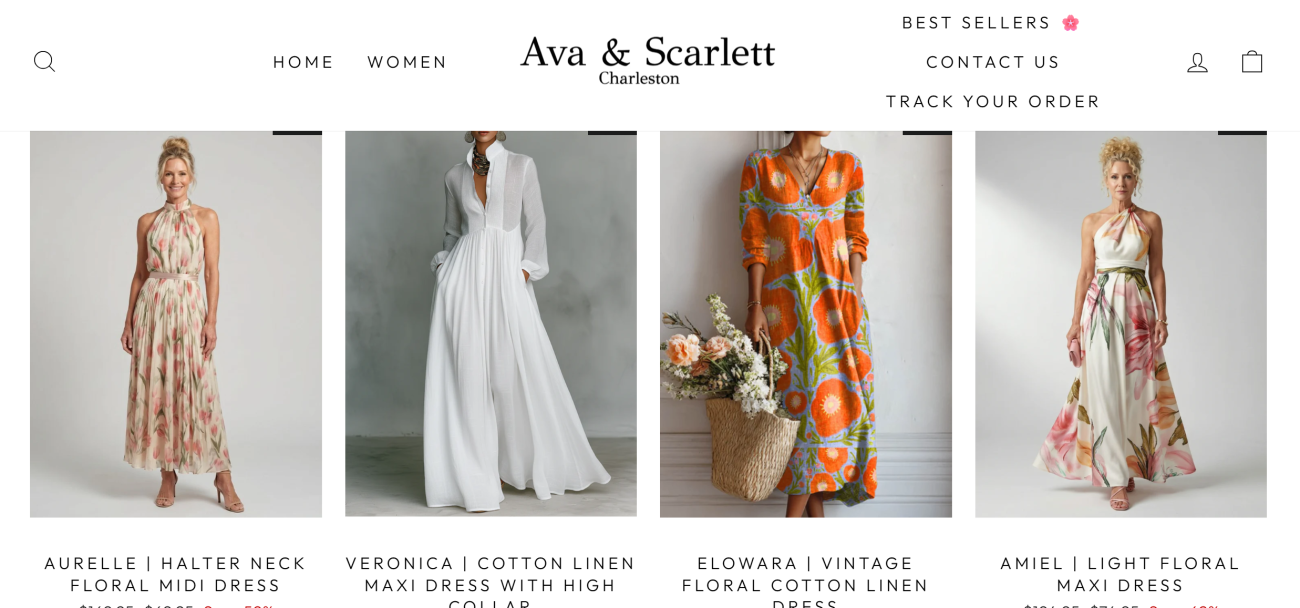
Have you come across Ava and Scarlett Boutique and seen that “shop revival sale” message that makes it feel like the store is making a comeback and everything has to go right now?
At first sight, it honestly looks believable. Soft boutique branding, trendy women’s outfits, and heavy discounts that feel like a once-in-a-while opportunity.
In this review, I’ll break down what I actually found, why the shop revival narrative matters, and whether this store feels safe enough to trust with your money.
Quick Takeaways
- Ava and Scarlett Boutique promotes a “shop revival sale” urgency story
- The store sells women’s fashion including dresses, tops, and seasonal outfits
- The website appears very new with little established history
- Ownership details are not clearly visible or verifiable
- Heavy discounting is used across most of the store
- Independent customer reputation is very limited online
- The revival narrative feels like a marketing hook rather than a confirmed business event
- Overall trust level feels weaker than established fashion boutiques
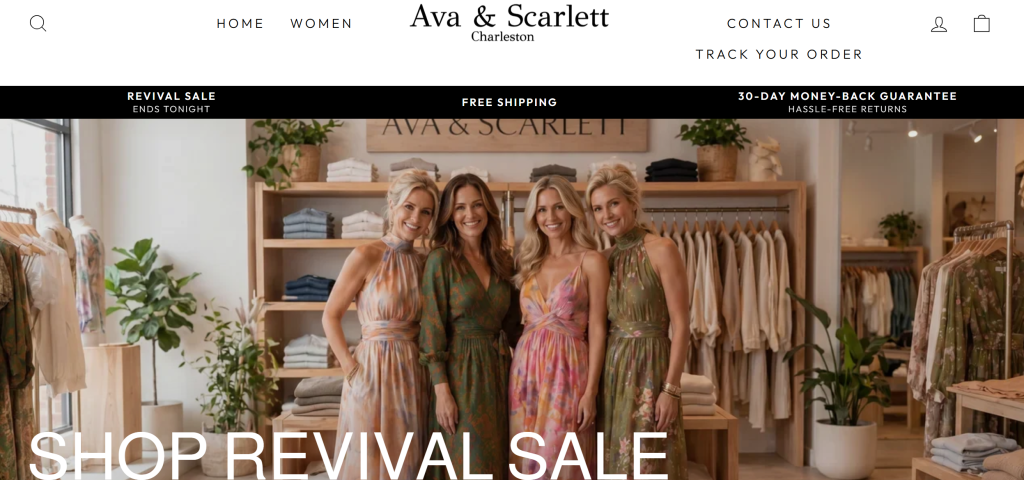
What Does Ava and Scarlett Boutique Actually Sell?
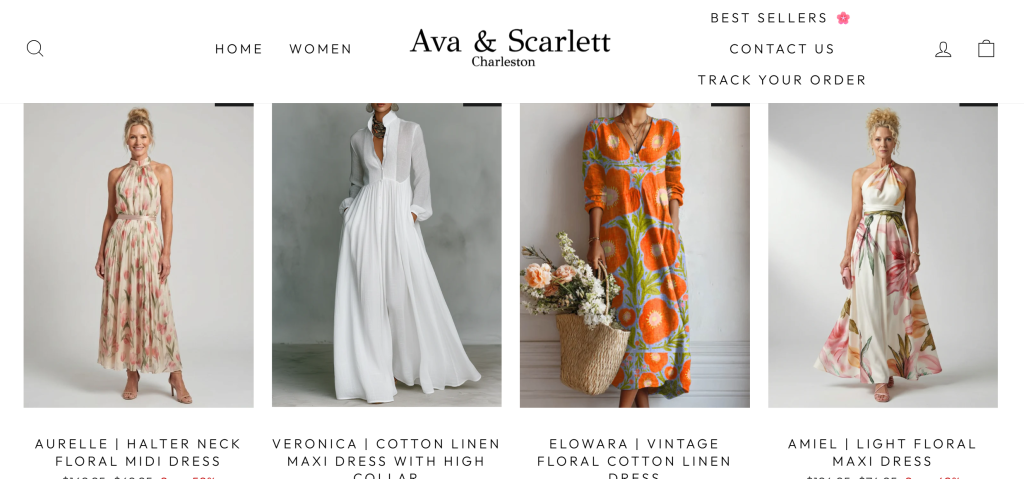
Ava and Scarlett Boutique presents itself as a women’s fashion store selling dresses, tops, casual outfits, and seasonal clothing pieces.
The presentation is actually what makes it interesting. The store looks soft, aesthetic, and carefully designed. The product images feel curated, and the pricing looks like a limited-time opportunity. And that’s exactly where the emotional pull starts working. It gives that feeling of a small boutique trying to restart, clear inventory, or rebuild something meaningful. But once you step back from the branding, there’s not much visible substance behind the story.
The “Shop Revival Sale” Story That Doesn’t Fully Add Up
This is the part that made me slow down the most. The entire urgency behind Ava and Scarlett Boutique is built around a “revival” or “relaunch” type sale. The messaging suggests the store is coming back and everything must be sold quickly. It sounds emotional and believable on the surface. But when I tried to verify that story externally, I couldn’t find anything that clearly supports it. No strong public background, no visible business history explaining the revival, and no clear trace of what the original store structure was.
That’s where things start feeling uncertain. In real-world retail, a genuine revival or relaunch usually has some kind of footprint you can trace. Even small businesses leave behind some form of history, mentions, or continuity. Here, the story mostly exists inside the website itself. And that matters. Because when a sales narrative feels stronger than the actual business footprint, it becomes harder to trust what you’re being told.
What Immediately Raises Red Flags About Ava and Scarlett Boutique?
The first thing I noticed is how new the site feels. That alone is not a problem. New online stores launch all the time. But when a new website immediately leans into emotional urgency marketing like a “revival sale,” it changes the way I look at it.
Another concern is transparency. There’s very little clear information about who actually runs the store, where it operates from, or what the business structure looks like behind the scenes.
That missing layer is important because it directly affects accountability if something goes wrong after purchase. Most legitimate fashion brands naturally build that visibility over time. Here, it still feels thin.
Why the Discounts Feel More Emotional Than Structural
The pricing strategy is another key piece of the puzzle. Almost everything is heavily discounted, and when combined with the revival messaging, it creates a strong emotional effect. It feels like a limited chance situation where hesitation could mean missing out.
And I’ve seen this pattern before in other ecommerce fashion stores that rely heavily on urgency-driven sales.
The problem is not discounts themselves. The issue is when discounts and storytelling work together to push quick decisions before buyers verify the store properly. That’s usually where disappointment happens later.
Customer Reviews and Reputation Signals
One of the biggest trust factors for any online store is independent reputation. With Ava and Scarlett Boutique, that layer feels very limited. There isn’t a strong visible trail of real customer experiences across external platforms that clearly confirm consistent delivery or long-term satisfaction. And that absence matters.
Because real boutiques naturally accumulate public feedback over time. You usually see discussions, photos, mentions, or repeat buyer conversations.
When that doesn’t exist in a meaningful way, it becomes harder to measure reliability.
Shipping, Refunds, and Customer Support Concerns
This is usually where the reality of these types of stores starts to show. Before purchase, everything feels smooth. The website works, the products look appealing, and communication feels normal.
But in similar setups, buyers often report slower responses after ordering, unclear tracking updates, and delays in communication when issues appear.
Refund processes can also become less straightforward depending on how the store operates behind the scenes.
And the key issue is not always whether an order ships. It’s whether support actually responds when something goes wrong. That’s where trust is really tested.
Trust and Transparency Issues
When I put everything together, the trust profile feels weak.
Not because of one single issue, but because of multiple small signals stacking up.
New domain presence, limited independent reputation, unclear ownership, and a sales story that relies heavily on emotional urgency rather than verifiable business history.
Individually, these are just signals. But together, they create uncertainty about how stable or accountable the store actually is.
Better Business Bureau (BBB) and External Trust Check
There doesn’t appear to be a strong Better Business Bureau presence or broader verified business reputation tied to Ava and Scarlett Boutique.
That doesn’t automatically mean a store is unsafe, but established fashion retailers usually build wider credibility footprints across multiple platforms over time. That layer of trust is not clearly visible here.
How Stores Like Ava and Scarlett Boutique Typically Operate
I’ve seen this structure before.
It usually starts with a clean-looking boutique website, emotional storytelling, and a strong urgency message like “revival,” “limited sale,” or “final clearance.”
Then the discounts are used to accelerate buying decisions.
The goal is simple. Reduce hesitation long enough for a purchase to happen before deeper research takes place.
Once you’ve reviewed enough stores like this, the pattern becomes very recognizable.
A Pattern I Keep Seeing
Ava and Scarlett Boutique fits into a broader pattern I’ve noticed across similar fashion stores. Soft boutique branding, emotional storytelling, heavy discounts, and very limited verifiable business background behind the website.
I’ve seen similar structures in stores like Glamelyra.com, Marys-Closet.com, Haven Beck, Thehillsnashville.com, Westbridgeclothing.com, Melvoria.shop, and Celeste London.
The names change. The design changes. Even the stories change. But the underlying structure stays almost identical. And that consistency is what makes it hard to ignore.
Is Ava and Scarlett Boutique Legit or a Scam?
I would be cautious with Ava and Scarlett Boutique. The “shop revival sale” story feels more like a marketing narrative than a clearly verifiable business situation.
That doesn’t automatically mean every order will fail, but the trust foundation doesn’t feel strong enough to confidently recommend it as a reliable fashion store.
What To Do If You Already Ordered From Ava and Scarlett Boutique
If you already placed an order, stay calm but alert. Keep all order emails, receipts, screenshots, and payment records.
If shipping delays start or communication becomes inconsistent, reach out to your payment provider quickly instead of waiting too long.
Credit card and PayPal protections can sometimes help if disputes escalate, but timing is important.
How To Spot Similar “Revival Sale” Stores
A few warning signs usually show up together. Emotional “revival” or “closing” stories, heavy discounts across everything, new or recently registered domains, limited independent reputation, and unclear business ownership. When several of these appear at once, I personally slow down immediately.
Final Thought: The Story Feels Stronger Than the Store
Ava and Scarlett Boutique builds a strong emotional narrative around its revival sale, but the deeper trust signals don’t fully support the story behind it. It feels like the messaging is doing most of the convincing work, not the business credibility itself. Personally, I’d think twice before buying here.
Frequently Asked Questions
Is Ava and Scarlett Boutique legit?
It shows several warning signs including weak transparency, a new domain, and limited independent reputation.
Is the shop revival sale real?
There is no strong external verification confirming a documented business revival or relaunch.
Is Ava and Scarlett Boutique safe to buy from?
The overall trust level appears weaker than established online fashion boutiques.
Does Ava and Scarlett Boutique deliver orders?
Some orders may be fulfilled, but consistency and reliability are unclear.
Can I get a refund from Ava and Scarlett Boutique?
Refund outcomes depend heavily on payment method and how quickly issues are reported.
Also Read >>> Govee Hygrometer Review: Small Gadget, Big Difference
