If you’ve been seeing ads for the Clima Pest Guard, it usually looks like one of those simple “plug and forget” solutions for mosquitoes and flying insects. The videos make it feel like you just turn it on and your whole room becomes bug-free instantly, no sprays, no smells, no stress. So I went into a proper breakdown of how it actually works, what it can realistically do, and whether it’s just another overhyped viral home gadget or something genuinely useful. The real question is simple. Does Clima Pest Guard actually solve pest problems or is it just smart marketing?
Quick Verdict
• It is a basic UV bug zapper, not a full pest control system
• Works best on small flying insects in closed spaces
• Not a guaranteed mosquito solution like ads suggest
• Marketing exaggerates how powerful and wide its coverage is
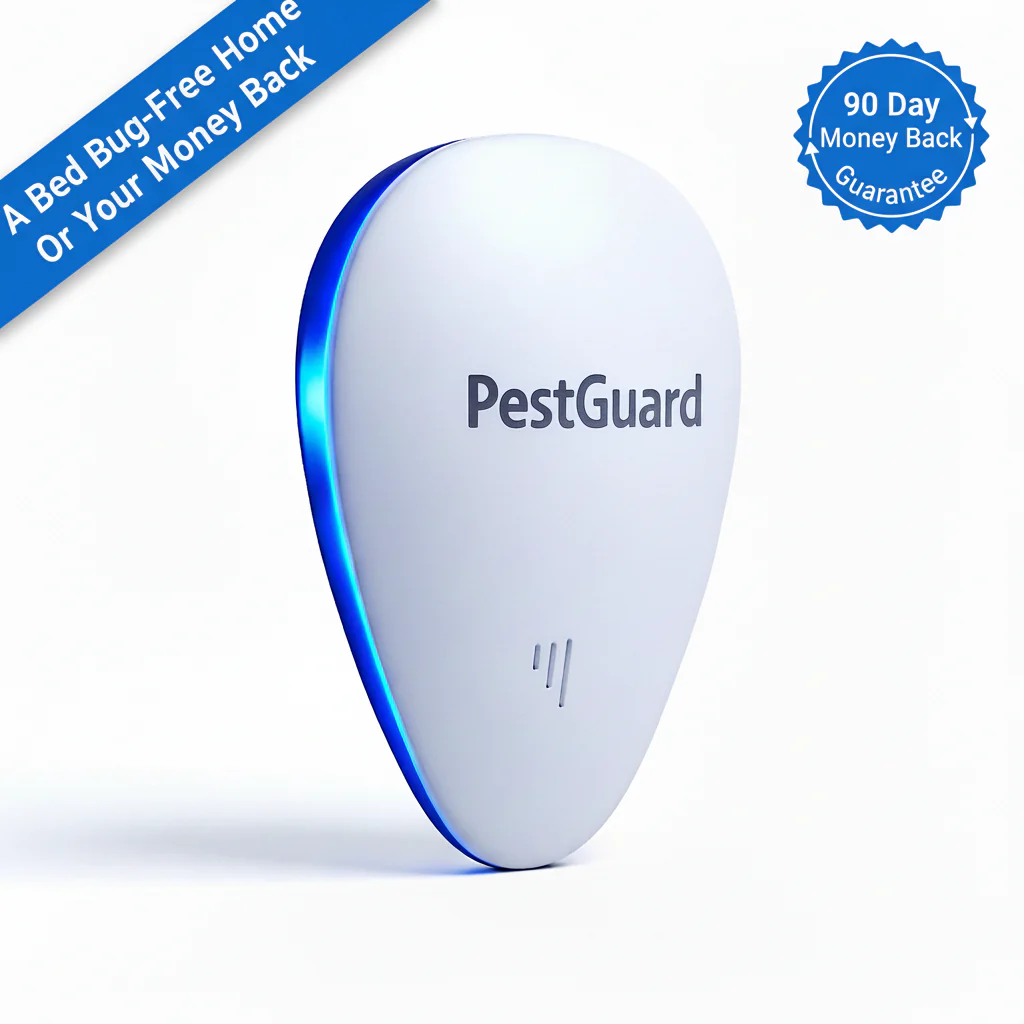
Table of Contents
- Quick Verdict
- What the Clima Pest Guard Actually Is
- How It Works in Real Life
- What It Actually Feels Like to Use
- Where It Works Best (And Where It Doesn’t)
- Why the Ads Make It Look More Powerful
- Red Flags I Noticed During My Research
- Is Clima Pest Guard Legit or a Scam
- Final Verdict
- Frequently Asked Questions
What the Clima Pest Guard Actually Is
The Clima Pest Guard is a small UV light insect zapper. It uses ultraviolet light to attract flying insects, then kills them when they touch an internal electric grid. It’s usually marketed as portable, USB rechargeable, and chemical-free, which makes it sound more advanced than it really is.
In reality, it’s not new technology. It’s just a compact version of a traditional bug zapper, designed for home and personal use rather than large outdoor setups.
How It Works in Real Life
The working idea is simple. UV light attracts insects, and when they get close, they are zapped by an electric grid inside the device.
This can work fairly well for:
- flies
- moths
- gnats
- other small light-attracted insects
But here’s where expectations matter.
Mosquitoes don’t rely mainly on UV light. They are more attracted to:
- carbon dioxide
- body heat
- human scent
So while the Clima Pest Guard can catch some insects, it does not automatically mean it will clear mosquitoes the way the marketing suggests.
What It Actually Feels Like to Use
From how similar UV bug zappers perform in real-world use, the experience is usually mixed.
Some people notice:
- fewer visible flying insects in closed rooms
- simple plug-and-use operation
- no chemical smell or sprays needed
Others notice:
- it catches random bugs more than mosquitoes
- results vary depending on placement
- weak impact in open or airy environments
So the performance is very dependent on where and how it’s used.
Where It Works Best (And Where It Doesn’t)
This device is most effective in:
- closed bedrooms
- kitchens
- small indoor spaces
- enclosed balconies or patios
It struggles in:
- open outdoor areas
- windy environments
- mosquito-heavy zones near vegetation or stagnant water
So it’s more of a localized insect trap, not a full-area protection device.
Why the Ads Make It Look More Powerful
The marketing usually shows dramatic “bug-free” results in large spaces, but UV bug zappers have physical limitations.
They only attract insects that respond to light, and even then, effectiveness depends on:
- placement
- room size
- surrounding light sources
So when ads show instant full-room protection, that’s more about presentation than realistic performance.
Red Flags I Noticed During My Research
While researching Clima Pest Guard, I noticed patterns that are very common in viral home gadgets.
One major pattern is the dropshipping-style branding cycle. Products like this often appear under different names, even though the device design is nearly identical across listings.
These types of products are usually sourced from wholesale suppliers such as Alibaba and AliExpress, then rebranded and marketed as new “innovations” for different ad campaigns.
Another pattern is the pricing gap. Similar UV bug zappers can often be found cheaply on generic marketplaces, while branded versions promoted through ads are sold at a much higher price. The difference is usually marketing, packaging, and ad spend rather than major product changes.
There is also heavy reliance on promotional landing pages instead of established retail stores. These pages typically use countdown timers, urgency messaging, and discount banners designed to push quick decisions rather than careful comparison.
Finally, Clima Pest Guard fits into the same broader ecosystem as other viral home gadgets like the Qinux Aquoxis pressure washer review and similar products, where simple technology is heavily rebranded and marketed as high-performance solutions.
Is Clima Pest Guard Legit or a Scam
Clima Pest Guard is not fake. It is a real UV bug zapper and it does perform its basic function of attracting and killing certain flying insects.
The issue is how it is presented.
Marketing often makes it sound like a full mosquito control solution, when in reality it is only effective in limited conditions and against specific types of insects. That gap between expectation and real-world performance is where most disappointment comes from.
Final Verdict
Clima Pest Guard is a simple UV insect zapper designed for light indoor pest control. It can reduce small flying insects in controlled environments, but it is not a complete solution for mosquitoes or heavy infestations.
If you understand what it is, it can be useful as a small support device. If you expect full pest elimination like the ads suggest, it will likely feel overhyped.
Frequently Asked Questions
Is Clima Pest Guard a real mosquito killer?
It can kill some flying insects, but it is not a reliable full mosquito solution.
Does it work outdoors?
Only in small, enclosed or semi-closed areas. Open outdoor performance is limited.
Is it safe to use indoors?
Yes, it is chemical-free and designed for indoor use.
Is it worth buying?
It depends on expectations. It is useful for light insect control, not full pest elimination.
Also Read >>> Cozze Pizza Oven Review 2026: Is It Worth It? Real Performance, Pros, Cons & Honest Test
