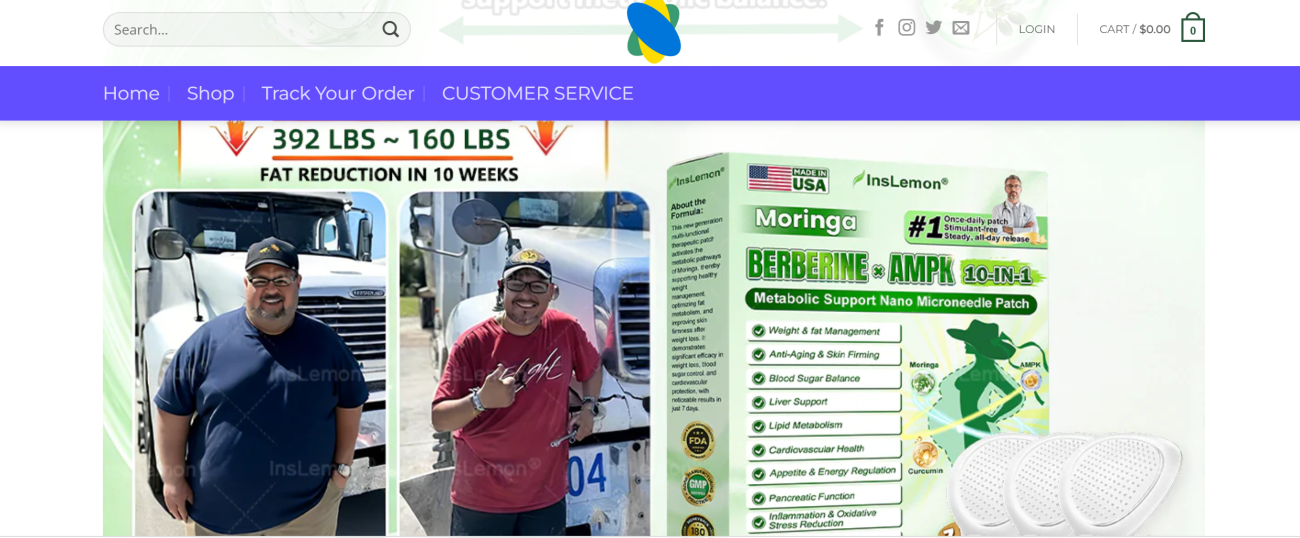
If you’ve seen the InsLemon Microneedle Patch online, it probably looked like a quick fix for wrinkles, scars, and aging skin. Tiny dissolving needles, “deep collagen repair” claims, and doctor-style messaging make it feel like a real dermatology breakthrough you can use at home. But once you look past the marketing, the clinical evidence is missing and the claims start to fall apart.
Quick Verdict
InsLemon Microneedle Patch is unlikely to deliver the dramatic results shown in ads. It may offer mild hydration and temporary skin plumping, but there is no strong clinical evidence supporting claims like wrinkle removal, scar fading, or deep collagen rebuilding. The marketing is persuasive, but the results are overstated.
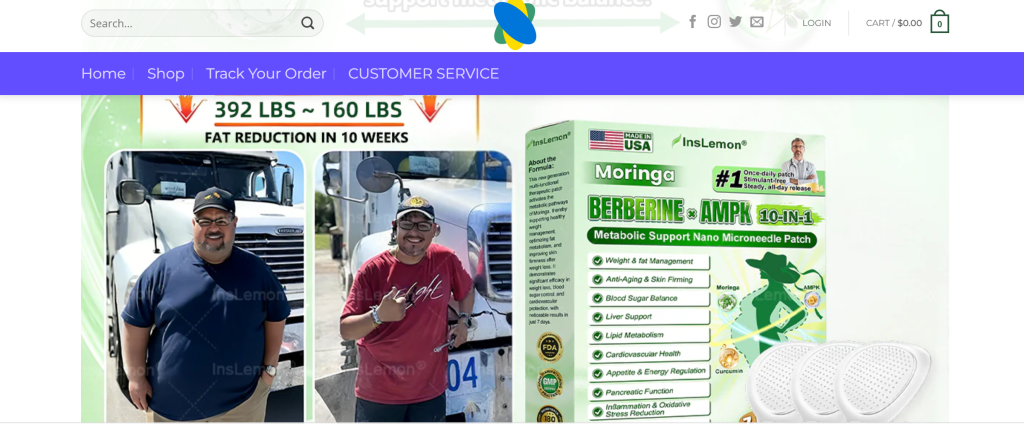
Table of Contents
- Quick Verdict
- What is InsLemon Microneedle Patch?
- How the Marketing Expands Beyond the Patch
- Does InsLemon Microneedle Patch Really Work?
- Doctor Claims and Clinical Authority
- Authority Badges and Trust Signals
- How the Marketing Videos Work
- Red Flags and Missing Evidence
- Is Microneedle Technology Legit?
- Internal Context From Similar Investigations
- Bottom Line
- Frequently Asked Questions
What is InsLemon Microneedle Patch?
InsLemon Microneedle Patch is a skincare product that uses tiny dissolvable microneedles designed to deliver ingredients into the outer layer of the skin. It is marketed as a painless alternative to cosmetic treatments like clinical microneedling procedures.
In simple terms, it is a patch that claims to improve skin texture, reduce wrinkles, and boost collagen using micro-sized needles that dissolve into the skin after application.
How the Marketing Expands Beyond the Patch
What makes InsLemon-style funnels more complex is that the marketing often does not stop at the patch itself. In some versions of the ads and landing pages, the messaging expands into a broader “anti-aging system” that includes trending wellness ingredients like NAD+, berberine, moringa, and nano delivery technology.
These ingredients are presented as part of a larger scientific framework. NAD+ is framed as a cellular energy booster linked to anti-aging. Berberine is described as a metabolic regulator. Moringa is positioned as a nutrient-rich detox ingredient. The word “nano” is added to imply ultra-advanced absorption at a cellular level.
However, there is no verified clinical connection between InsLemon Microneedle Patch and these compounds. This is a classic marketing layering strategy where unrelated health trends are grouped together to create a stronger illusion of scientific authority. It makes the system feel more advanced and medical, even though the patch itself remains a basic cosmetic delivery tool.
Does InsLemon Microneedle Patch Really Work?
It may offer minor cosmetic effects, but not the dramatic transformation advertised.
Realistically:
- It can slightly hydrate the skin
- It may create a temporary plumping effect
- It can mildly improve skin texture over time
Not realistically:
- It does not erase deep wrinkles quickly
- It does not permanently remove scars
- It does not rebuild skin structure in a short time
There is no strong clinical research proving the bold claims made in marketing.
Doctor Claims and Clinical Authority
A major part of the marketing relies on medical authority. You may see references to dermatologists, clinical testing, or expert recommendations. Some videos even include lab coat visuals or clinical-style environments.
However, none of these experts are verifiable, and there are no published peer-reviewed studies directly supporting InsLemon’s claims. This creates an appearance of medical legitimacy without transparent evidence.
Authority Badges and Trust Signals
InsLemon marketing often uses authority-style badges like “clinically tested,” “dermatologist approved,” “FDA registered,” or “ISO certified” to create instant trust. These appear on sales pages alongside product claims and are designed to make the product feel medically validated.
The issue is that these badges are rarely backed by verifiable, product-specific evidence. In many cases, there are no accessible clinical studies, lab reports, or regulatory documents that confirm the claims being implied. Labels like “clinically tested” are often used without any link to actual testing data.
These visuals work mainly as psychological trust signals. When combined with lab-coat imagery, scientific language, and urgency marketing, they create the impression of legitimacy without providing transparent proof.
How the Marketing Videos Work
The promotional videos follow a predictable conversion structure. They begin by highlighting skin concerns such as wrinkles, sagging, and uneven tone. Then they introduce microneedle technology as a breakthrough discovery that replaces expensive treatments.
The explanation then shifts into pseudo-scientific language involving deep skin delivery, collagen activation, and micro-technology. This is followed by dramatic before-and-after images and urgency triggers like discounts and limited availability.
The goal is not education but emotional conversion.
Red Flags and Missing Evidence
Several important transparency gaps appear:
- No published clinical trials specific to the brand
- No disclosed ingredient concentrations
- No verifiable dermatologist endorsements
- Heavy reliance on marketing visuals instead of data
- Strong urgency and discount pressure tactics
- Before-and-after results without independent verification
Together, these form a pattern commonly seen in viral skincare funnels.
Is Microneedle Technology Legit?
Yes, microneedling is a real dermatology technique used in clinical settings. However, the difference between professional treatment and consumer patches is significant.
Clinical microneedling involves:
- Controlled penetration depth
- Professional supervision
- Measurable skin remodeling effects
At-home patches like InsLemon:
- Work only at surface level
- Deliver limited ingredient absorption
- Produce mild and temporary cosmetic effects
Internal Context From Similar Investigations
This pattern is not unique to InsLemon. It closely mirrors other viral skincare and wellness funnels where scientific language is used to create credibility without strong evidence. You can see similar marketing structures in our Lonqi Microneedle Patch investigation and broader supplement breakdowns like the BoostMind supplement review, where trending ingredients are used more for persuasion than proven results.
Bottom Line
InsLemon Microneedle Patch sits in the space between real skincare technology and exaggerated marketing claims. Microneedles are scientifically valid in dermatology, but the way this product is promoted stretches beyond what current evidence supports. The addition of trending ingredients like NAD+, berberine, moringa, and nano terminology further reinforces the marketing illusion.
Realistically, expect mild cosmetic improvement at best, not rapid skin transformation.
Frequently Asked Questions
Is InsLemon Microneedle Patch legit or a scam?
It is not officially classified as a scam product, but the marketing is heavily exaggerated. The claims go far beyond what microneedle skincare patches are scientifically proven to do, especially around wrinkle removal and skin repair speed.
Does InsLemon Microneedle Patch really work?
It may provide mild cosmetic effects like hydration and temporary skin plumping. However, there is no strong clinical evidence that it can deliver the dramatic anti-aging results shown in ads.
Are the doctor and clinical claims real?
There are no verifiable dermatologist endorsements or published clinical trials directly linked to InsLemon. The medical language used in marketing is mainly for credibility building rather than proven scientific backing.
What is the NAD+, berberine, moringa, nano connection?
These ingredients are often mentioned in related marketing funnels, not necessarily in the patch itself. They are used to create a broader “advanced anti-aging system” narrative, but there is no verified evidence that they are part of or enhance the InsLemon patch.
Is microneedle patch technology actually real?
Yes, microneedling is a legitimate dermatology technique. However, clinical treatments use controlled devices and deeper penetration, while consumer patches offer only surface-level effects with limited results.
Can it replace professional skincare treatments?
No. At-home microneedle patches cannot match the depth, precision, or results of professional dermatological procedures.
